Accessibility links Skip to main content

Normec Informs Customers About Regulations Regarding Animal By-Products When Submitting Samples

WIERINGERWERF – Normec Foodcare is reminding customers of the applicable European regulations for animal by-products (ABP) and derived products. This is in response to increased scrutiny by the Netherlands Food and Consumer Product Safety Authority (NVWA) regarding the correct application of this legislation within the chain of sample submission, analysis, and processing. The regulations are set forth in Regulation (EC) No. 1069/2009 and the accompanying implementing provisions in Regulation (EU) No. 142/2011. The purpose of these regulations is to protect public health, animal health, and the safety of the food and feed chains.

Contact us

Fill out the form and we will contact you shortly.

Name
In which country would you like to be assisted?
Privacy Policy 
Continue reading
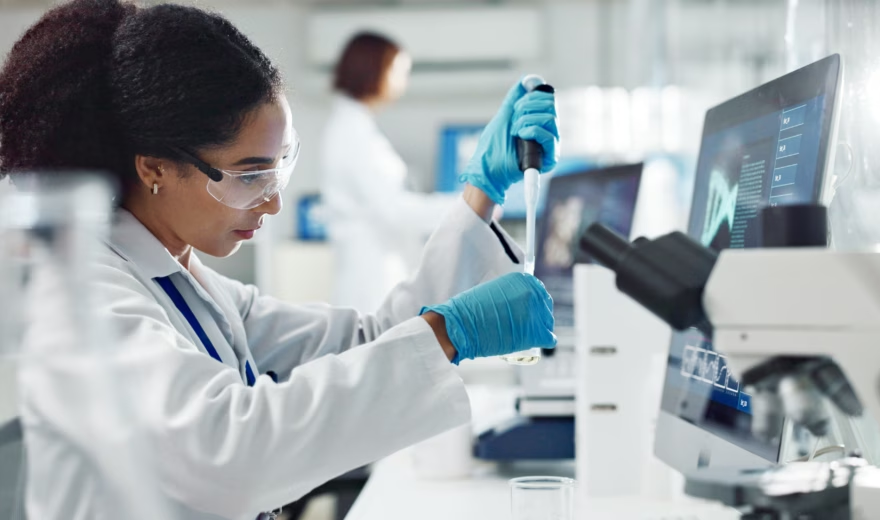
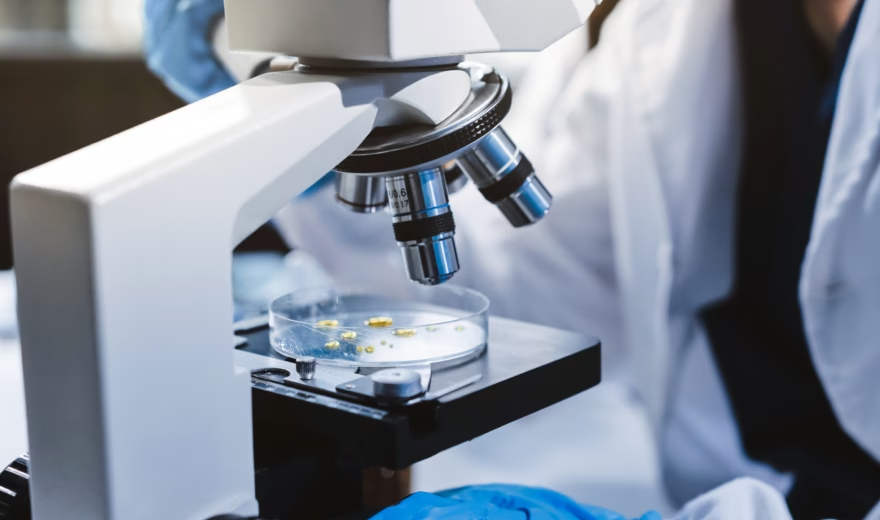
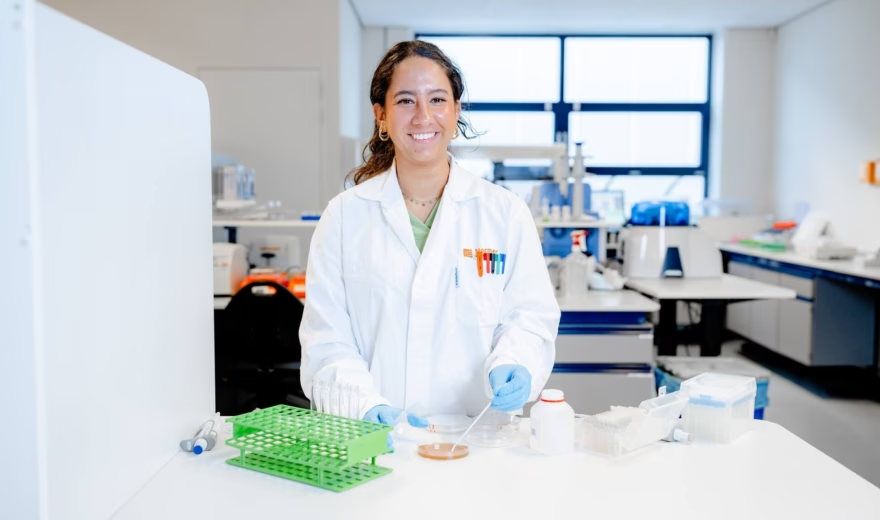
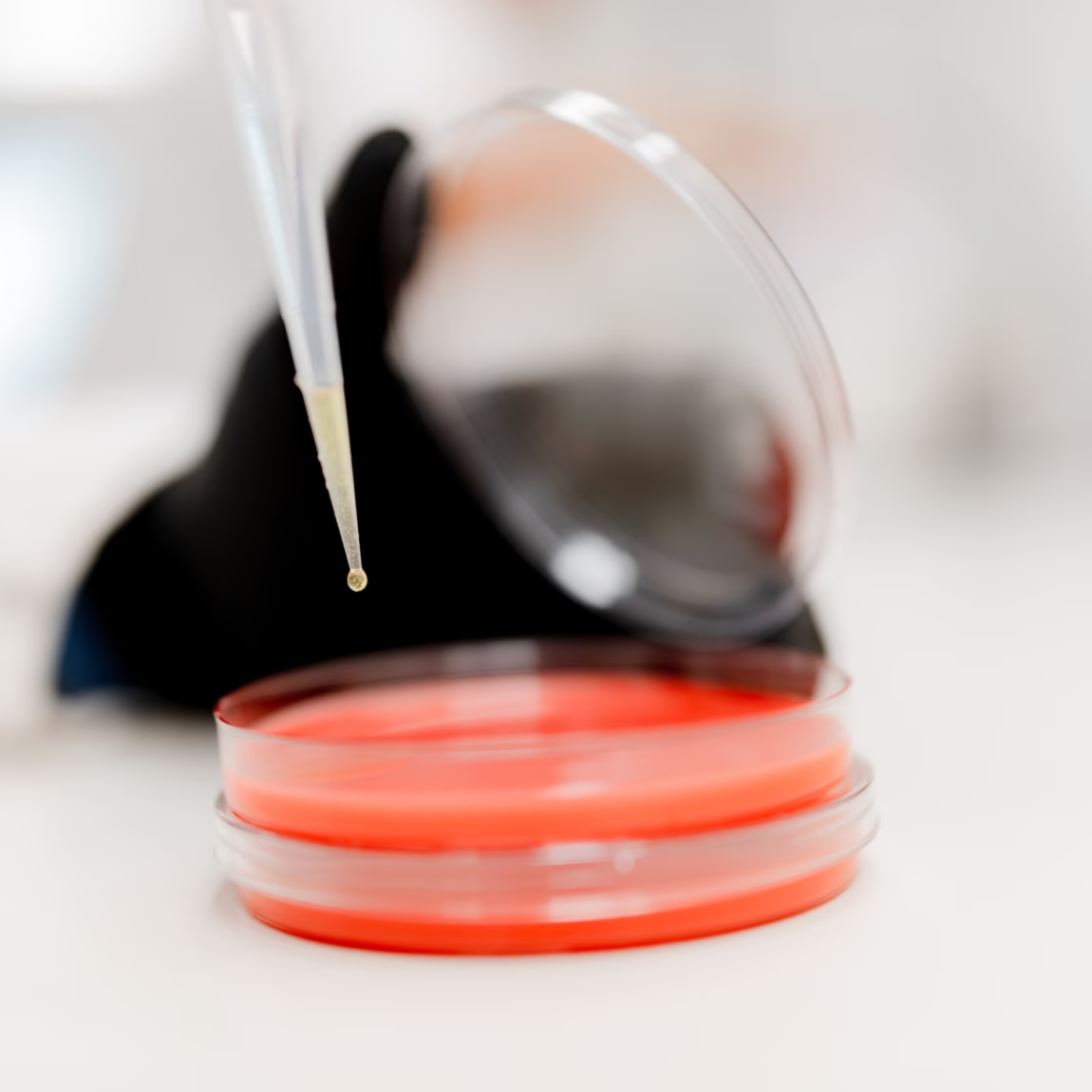
A liquid sample is added to a petri dish with a pipette for laboratory analysis.

Animal By-Products and Sample Submission

Animal by-products include dead animals or parts of animals, products of animal origin, and other products derived from animals that are no longer intended for human consumption.

This means that samples of whole or partial animal origin, such as meat, dairy, or eggs, submitted for laboratory testing may fall under this legislation. Once a product is submitted for analysis, it is no longer intended for consumption and is considered an animal by-product.

As an accredited laboratory within the ABP chain, Normec Foodcare is required to ensure that these materials are properly identified, traceable, and comply with legal requirements during transport, receipt, processing, storage, and disposal. The NVWA monitors compliance with these regulations.

Proper Registration of Samples

In order to receive and process samples, complete and accurate information is required. For this reason, additional registration options have been included in the order forms.

Customers are asked to provide the following information:

  • Origin of the material;
  • Date of shipment;
  • Description of the material;
  • Category classification (if known);
  • Quantity of the material;
  • Details of the sender, carrier, and recipient.

Complete documentation contributes to the efficient processing of samples and supports legal requirements regarding traceability.

Recording of Deviations and Deficiencies

Regulations require laboratories to document deviations and deficiencies in submitted samples or documentation. If defects are identified upon receipt or evaluation, customers are notified.

Examples of nonconformities include:

  • Missing or incorrect documentation;
  • Insufficient sample identification;
  • Damaged or leaking packaging.

These records are part of the laboratory’s quality and traceability obligations and may be requested during inspections by the NVWA.

Ensure Proper Sample Submission

To ensure analyses can be performed without delay, Normec Foodcare asks customers to submit samples carefully. Samples must:

  • Be clearly identified and labeled;
  • Be properly packaged to prevent leakage, contamination, or loss of quality;
  • Be accompanied by the required information and documentation.

If samples do not meet legal or technical requirements, this may result in processing delays.

Working Together to Ensure a Safe and Traceable Supply Chain

With these guidelines, Normec Foodcare supports customers in ensuring careful and compliant sample submission. By working together to ensure complete record-keeping, accurate documentation, and optimal traceability, legal requirements are met and the safety of the food and feed supply chain is guaranteed.

Want to learn more about sample submission or what these regulations mean for your organization?

Request a quote

Fill out the form and we will contact you shortly.

Name
In which country would you like the service to be carried out?
Privacy Policy 

Related news articles

19 May 2025

A monitoring plan helps interpret analysis results

As a production company, you regularly perform lab and microbiological analyses: sampling of the environment, of raw materials, semi-finished and finished products. How do you perform this correctly and what are important things to consider?
A hand picks up a bag of almonds from the store shelf with packaged nuts.
19 Nov 2025

NVWA Q&A Allergens: Time to really get your QA policies in order

The Netherlands Food and Consumer Product Safety Authority (NVWA) recently published an important Q&A on allergen policy in the food industry. This publication is not just an update; it provides concrete guidance on how to set up your processes, labeling and risk assessment to comply with the new regulations, which must be in full force by Jan. 1, 2026. For QA managers, this means that procrastination is not an option: now is the time to take a critical look at your allergen policies.

24 Jun 2025

Challenge testing in the food industry: more than just Listeria

Challenge tests are laboratory tests in which a known number of microorganisms (such as Listeria monocytogenes, Salmonella, Bacillus cereus, yeasts or fungi) are deliberately added to a food product. The product is then stored under realistic storage conditions (such as temperature, packaging and time) to observe whether and how quickly the microorganism grows, survives or dies. They aim to assess the microbiological safety or shelf life of a specific product in its real matrix and packaging. Challenge tests are best known in the context of Listeria control but have numerous other applications and assets.

25 Feb 2025

New customer portal

Working efficiently and getting quick insight into analysis results is important within the food industry. Normec Foodcare introduces a renewed customer portal that helps you to easily view laboratory results, analyze trends and take action faster. With the customer portal you save time, prevent errors and ensure that you are always in control of the safety and quality of your products.

Sign up for our newsletter

Sign up

Naam

Related services

Microbiological research

A person in a lab coat is working at a lab table with test tube racks and testing materials in a modern research environment.

Analysis and monitoring

Water testing for safe water quality