PCR (Polymerase Chain Reaction).
Known from corona times; this technique looks for the DNA of allergens. Useful when proteins have been altered by heating. Unlike ELISA, PCR does not target proteins, but rather the genetic material of an allergen. This makes PCR particularly suitable for allergens such as crustaceans, fish, celery, mustard, lupin and mollusks. Also possible for soy, peanut, egg, tree nuts, sesame and as long as sufficient DNA is still present in the product.
Operation and application
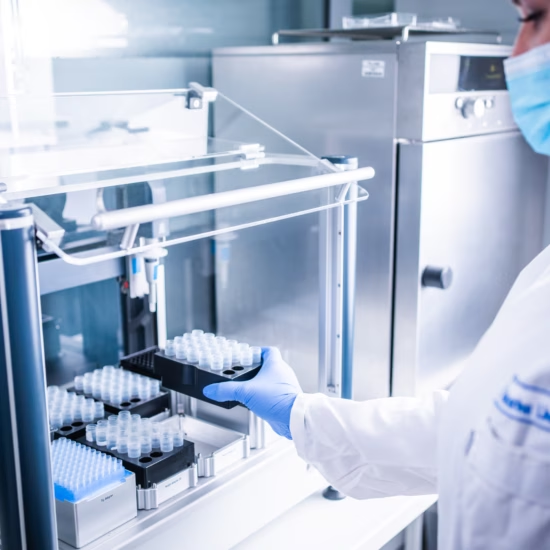
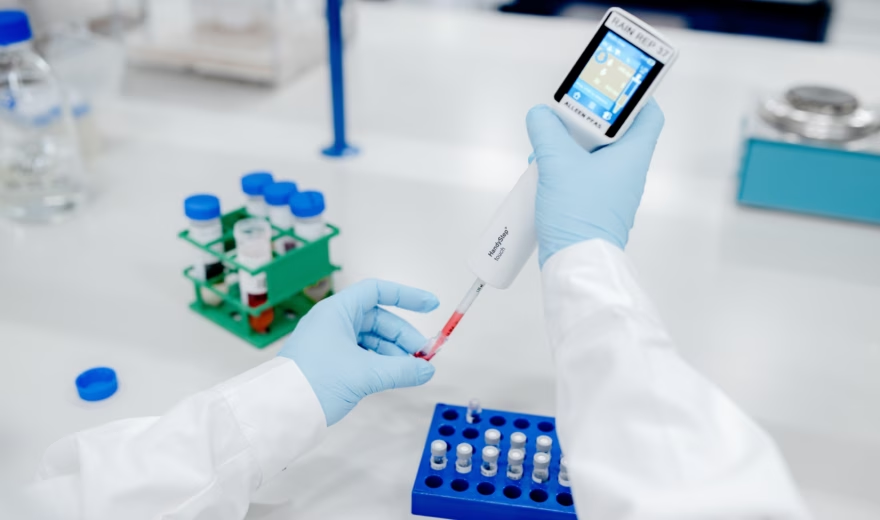
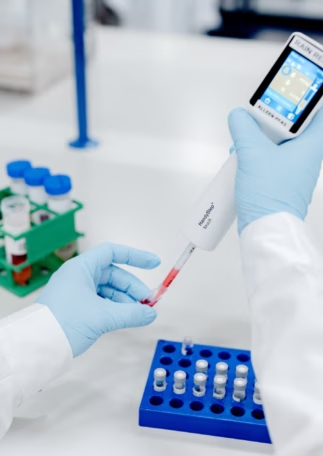
PCR works by amplifying (multiplying) specific DNA fragments using primers that target characteristic DNA sequences of an allergen. During the process, these fragments are multiplied in a thermocycler. In real-time PCR, this process is monitored via fluorescence, which provides an indication of the amount of DNA in the sample.
This method is particularly useful in products where proteins may have been degraded or modified, but where DNA is still present. However, PCR is not suitable for products that have been processed such that the DNA has been completely degraded or removed, such as highly refined oils.