



Accessibility links Skip to main content

Forward-Looking Laboratory Data: The Signals QA Can’t Afford to Miss

An individual analysis result indicates whether a sample meets a criterion at a single point in time. A series of results reveals something far more valuable: whether your process remains stable. For QA managers, this presents an opportunity to shift from reactive monitoring to proactive management. Those who recognize trends early can take action before a threshold is exceeded, a customer files a complaint, or an audit uncovers a systemic weakness.

Continue reading
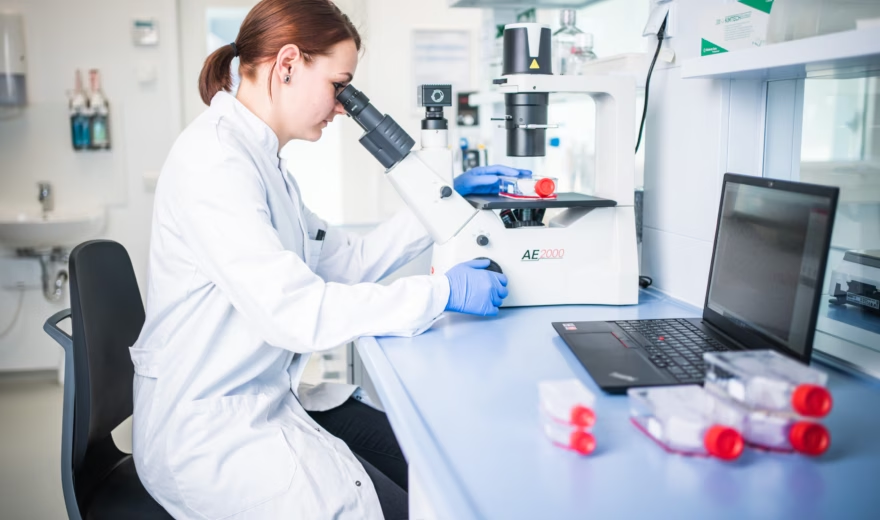
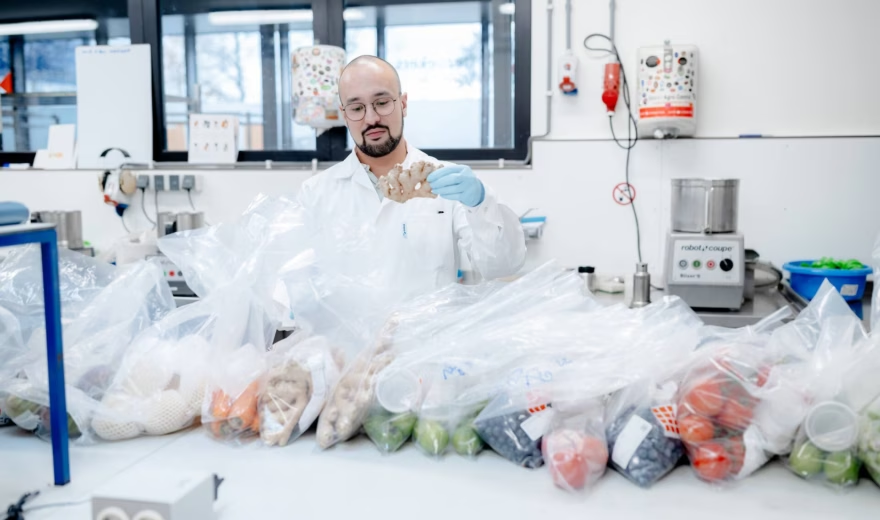
A food analysis laboratory workstation featuring a microscope, food samples, documentation, and a staff member examining samples with a pipette. The image illustrates quality control and laboratory testing of food products.

A “green” result can still serve as a warning

Trend analysis begins where traditional pass/fail testing ends. Values may all fall within specifications yet still systematically move toward a limit. An increasing spread, repeated outliers, or differences between production lines can also indicate that process control is deteriorating. The risk, then, lies not in a single result, but in the direction and consistency of the data.

Therefore, don’t just look at out-of-spec results. Pay attention to shifts in average values, changes in variation, and consecutive results on the same side of a typical process value. In addition, compare products, locations, suppliers, seasons, shifts, and sampling times. This will reveal whether a pattern is random or can be linked to a process factor.

Connect laboratory data to real-world applications

A trend only becomes useful when you put it into context. Link results to raw material changes, maintenance, cleaning, ambient temperature, formula changes, and process settings. In microbiological monitoring, for example, recurring positive environmental results may be more relevant than a single high count, especially when they consistently occur in the same zone or after the same production run.

Negative results also warrant interpretation. A long series of results below the reporting limit may indicate good control, but it could also point to a sampling plan that lacks sufficient sensitivity. Therefore, regularly assess whether the selected parameters, locations, frequencies, and analytical methods still align with the current risk profile.

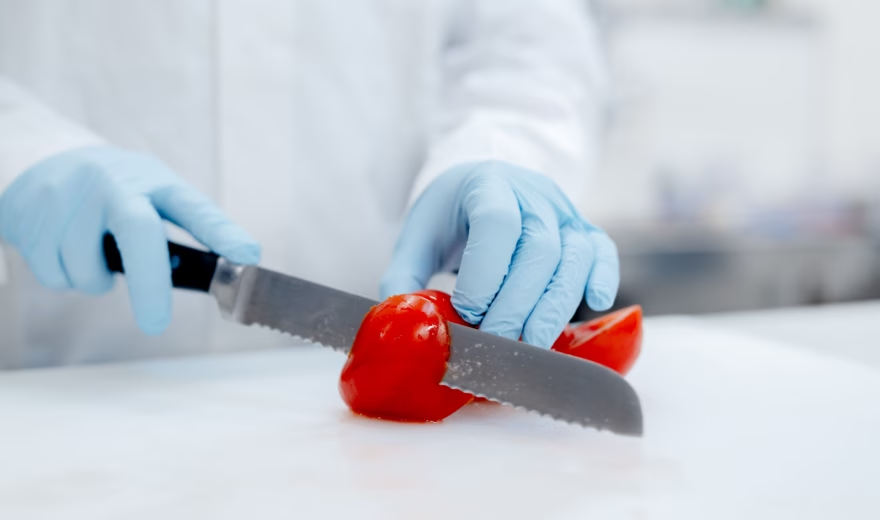
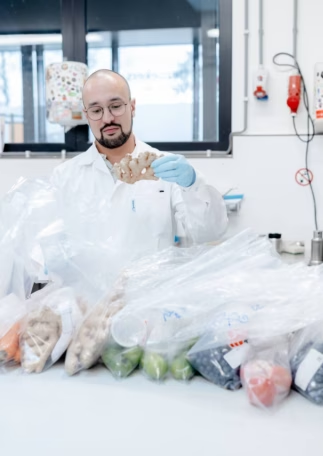
A laboratory technician examines a tomato in a laboratory setting and records the findings on a form. On the workbench are a microscope and laboratory equipment for quality control and food analysis.

Use warning limits, not just rejection limits

Waiting until a legal or internal limit is exceeded often means that corrective actions are taken too late. Internal warning limits can indicate earlier on that the process is shifting. These limits must account for natural variation, measurement uncertainty, and the product’s risk. They are not an additional product specification, but a tool to initiate investigation and preventive action at the right time.

Make it clear in advance what happens when an alert threshold is reached. A trend alert without an assigned owner or follow-up action mainly results in dashboards. Effective trend monitoring links every signal to an assessment, responsibility, timeline, and feedback. This makes data an integral part of daily process control rather than a report that is only opened before an audit.

From Charts to Demonstrable Improvement

The value of trend analysis is evident in the actions it inspires. Document which patterns were assessed, which causes were investigated, and how corrective actions are being followed up. Then verify whether the trend is actually improving. This closes the improvement cycle and allows you to demonstrate that monitoring leads to better control.

For QA managers, the most important question is therefore not how much data is available, but how quickly relevant deviations become visible. With proper segmentation, appropriate alert thresholds, and consistent follow-up, laboratory data transforms into an early warning system for quality and food safety.

Need support in the food industry?

Our experts are happy to work with you and help you get started quickly.

Request a quote

Fill out the form and we will contact you shortly.

Name
In which country would you like the service to be carried out?
Privacy Policy 

Contact us

Fill out the form and we will contact you shortly.

Name
In which country would you like to be assisted?
Privacy Policy 

Related news articles

Several agricultural machines are spraying crops on a vast agricultural field.
10 Jun 2026

Pesticide Analysis in Food: Interview with a Laboratory Expert

In the European food industry, pesticide analysis remains a central component of food safety and compliance with statutory maximum residue limits (MRLs). At the same time, the focus is increasingly shifting from pure detection toward interpretation, methodology, and risk-based monitoring. We spoke with a laboratory expert about how modern pesticide analyses are conducted and evaluated in practice today.

03 Feb 2026

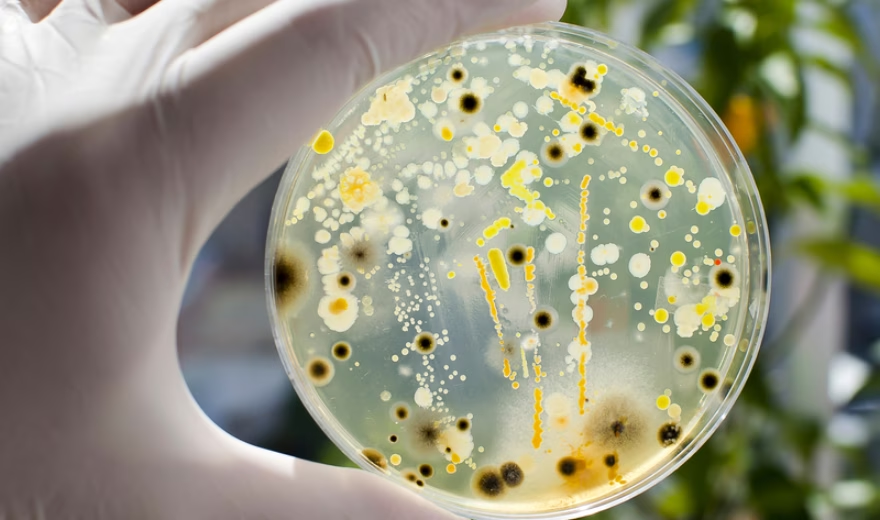
Analyses under the microscope: How are bacteria in food analyzed in the laboratory?

Analyzing bacteria in food is crucial to ensuring food safety. Microbiological analyses help producers, regulators and researchers understand whether food is safe for consumption, and what types of bacteria are present. In this article, we explain what techniques are used, the advantages and disadvantages, and how to interpret the results.

19 Nov 2025

In-line process validation: the new standard for microbiological assurance

Process validation has been a crucial part of quality assurance in the food industry for many years. Traditionally, validations of thermal processes - such as pasteurization or heating - were largely based on scientific models. Think of parameters like P₂ at 70°C for Listeria monocytogenes, which served as a reliable reference for microbiological killing. Yet this model thinking is less and less sufficient in practice. The food industry has changed significantly in recent years: raw materials are more diverse, recipes more complex and expectations regarding food safety more stringent. In addition, microorganisms themselves evolve - they adapt to their environment, develop stress responses and behave differently depending on the composition of the product. A model established decades ago for a classic dairy matrix does not always correctly predict what happens today in a plant-based beverage or meat substitute. Therefore, there is a growing awareness that scientific assumptions must be regularly tested against the reality of the production process. In-line process validation thus becomes an essential tool to ensure microbiological assurance.

29 Oct 2026

Salmonella in Tomatoes: Is Your Monitoring Adequate?

DELFGAUW – A prolonged European outbreak of Salmonella enterica serovar Strathcona ST2559 underscores the importance of a risk-based monitoring program for tomatoes. This is particularly reason for importers, packers, and processors of fruits and vegetables to take a critical look at origin, sampling, and potential routes of contamination.

Sign up for our newsletter

Sign in

Naam

Related Services

Environmental analyses on pathogens

Shelf life testing

Illustration of Listeria monocytogenes, a bacterium relevant to food safety research.

Listeria research and studies

Microbiological research