Accessibility links Skip to main content

Salmonella in Tomatoes: Is Your Monitoring Adequate?

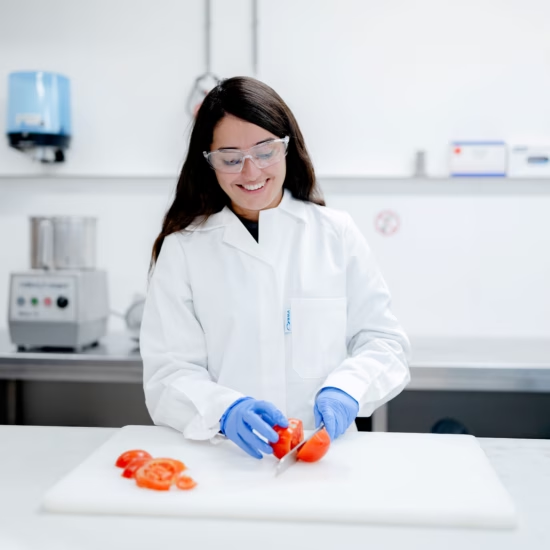
DELFGAUW – A prolonged European outbreak of Salmonella enterica serovar Strathcona ST2559 underscores the importance of a risk-based monitoring program for tomatoes. This is particularly reason for importers, packers, and processors of fruits and vegetables to take a critical look at origin, sampling, and potential routes of contamination.

Continue reading

What's going on? 

The European Centre for Disease Prevention and Control (ECDC) reports that the cross-border outbreak of Salmonella enterica serovar Strathcona ST2559 is still ongoing. According to the update from October 9, more than 160 new cases were reported in 2026. From 2023 through 2025, there were approximately 670 confirmed cases in EU/EEA countries. 

Epidemiological, microbiological, contact tracing, and environmental investigations have identified cherry tomatoes from Sicily as the source of the contamination. The outbreak strain was also detected in irrigation water from a well at a primary producer in Italy. In follow-up investigations in Austria, the outbreak strain was also identified through sequencing in cherry tomatoes that had been traded from Italy.

The ECDC reports that the outbreak was still ongoing in September 2026 and that the source had not yet been fully contained.

However, the detection of the bacterium in irrigation water does not automatically mean that water was the original source of the contamination. It is therefore more accurate to examine possible routes of transmission. This distinction is important when assessing food safety risks and determining an appropriate monitoring strategy. 

Impact on Importers, Packagers, and Processors of Fresh Produce 

For companies that import, pack, or process tomatoes, this outbreak is a good reason to reassess their existing monitoring program in light of current risks. 

Irrigation and process water are among the relevant factors to consider. In primary production, the production environment and fertilizers also warrant attention as potential risk factors. 

Origin also plays a role in the risk assessment. The ECDC’s findings specifically link the outbreak to small tomatoes from Sicily. The ECDC warns that the risk of new infections persists as long as contaminated seasonal produce continues to be supplied. 

Sampling: Not Just Where, but Also When and How Often 

A monitoring program isn’t just about what’s being tested. The sampling design also helps determine the likelihood that a contamination will be detected. 

  • the selection of sampling points; 
  • the sampling frequency; 
  • the timing of sampling. 

These factors must be evaluated in conjunction with one another. This is why a risk-based approach is important: monitoring must be tailored to the product and process, as well as to the relevant contamination pathways. 

From the Final Product to a Broader Monitoring Program 

The current case study demonstrates why it makes sense to look beyond just the final product when conducting microbiological monitoring. After all, the outbreak strain was not only confirmed in tomatoes but was also detected in irrigation water during the investigation. The ECDC emphasizes the importance of environmental testing in reducing the risk of Salmonella contamination. 

For a monitoring program, this means it is important to determine which matrices and sampling locations are appropriate for the specific situation. These include the product, water, and the production environment. The appropriate approach depends on the specific risks associated with the product and process. 

How can Normec Groen Agro Control provide support? 

Normec Groen Agro Control assists organizations with Salmonella testing of tomatoes, microbiological testing of irrigation and process water, and environmental testing. The specialists also advise on an appropriate sampling approach, including the selection of sampling points, the sampling frequency, and the timing of sampling. This ensures that the testing is better tailored to the product, the process, and the relevant contamination routes.

Conclusion 

The outbreak of Salmonella enterica serovar Strathcona ST2559 demonstrates that microbiological food safety for tomatoes goes beyond simply analyzing the final product. Origin, potential routes of contamination, and the sampling protocol are key components of a risk-based monitoring program.

Ready for the next step?

Would you like to assess whether your current monitoring program addresses the relevant risks? Normec Groen Agro Control can assist with Salmonella testing of tomatoes, water and environmental testing, and advice on sampling.

Contact Us

Fill out the form and we will contact you shortly.

Name
In which country would you like to be assisted?
Privacy Policy 
Read more about Microbiological Testing

Related news articles

22 Oct 2026

New MRLs for difenoconazole effective May 2027

UTRECHT – The European Commission has established new maximum residue limits (MRLs) for difenoconazole in and on a wide range of food products. The changes will take effect on May 5, 2027. It is particularly important for companies that grow, import, process, or trade potatoes, vegetables, fruits, nuts, and other plant-based products to implement the new limits in the supply chain in a timely manner.


22 Oct 2026

PPWR: What Do Packaging Changes Mean for Products and Consumers?

The Packaging and Packaging Waste Regulation (PPWR) has been in effect since August 12, 2026. For companies in the food industry, the new PPWR requirements for packaging are not just a compliance issue. Changes to packaging can also raise questions about product quality, shelf life, food safety, consumer experience, and the analytical basis for packaging materials.

A water sample is collected from a faucet into a glass jar for water testing.
22 Sep 2026

PFAS in drinking water: What do regional differences mean for agribusinesses and food companies?

PFAS, a collective term for thousands of chemicals known as “forever chemicals,” are found worldwide in soil, surface water, groundwater, and food production chains. Greenpeace’s new PFAS map shows that these substances can also enter the human body and the food production chain via drinking water.

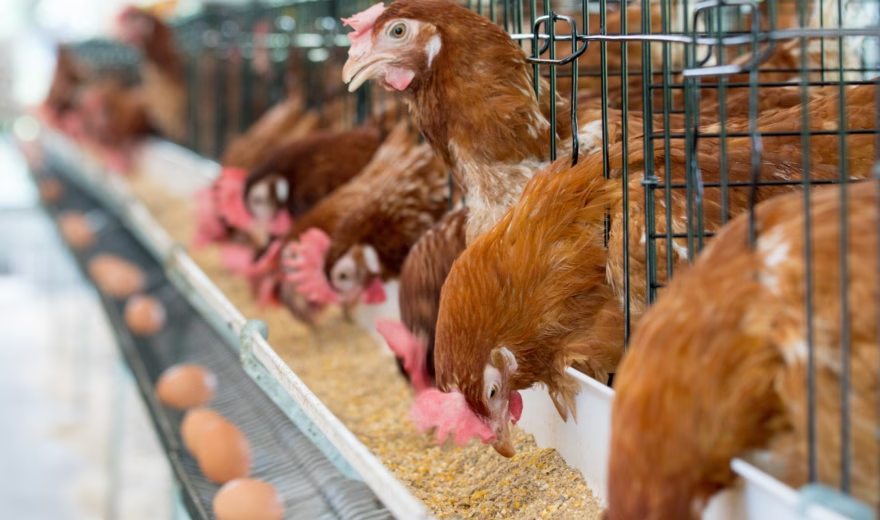
Laying hens are kept in a poultry house where eggs are produced and collected.
25 Aug 2026

Salmonella in eggs: recent outbreak highlights the importance of targeted testing

A Salmonella outbreak linked to eggs from a Belgian poultry farm has now made at least 300 people ill. The incident once again shows the importance of systematic monitoring and timely laboratory testing throughout the egg supply chain.

Sign up for our newsletter

Sign Up

Naam

Related Services

Sensory research

Visitors check in at a reception desk while a staff member verifies their information on a tablet.

Product Research

Product and Category Development

Taste & Experience

Een medewerker gebruikt een iPad om foto’s te maken van sinaasappels tijdens een kwaliteitscontrole, terwijl hij de producten nauwkeurig onderzoekt.

Zero measurement quality system

Een medewerker gebruikt een iPad om foto’s te maken van sinaasappels tijdens een kwaliteitscontrole, terwijl hij de producten nauwkeurig onderzoekt.

Self-monitoring system Good & Green

An employee works on product packaging at a computer workstation with multiple monitors.

Packaging Research