
Accessibility links Skip to main content

N-min measurement: How much nitrogen is actually available to your crop?

A fertilization plan provides guidance, but it doesn’t tell the whole story about the current situation in the field. After a wet winter, a dry spring, or a period of high mineralization, the amount of mineral nitrogen in the soil can differ significantly from what was previously expected. An N-min measurement provides insight into this nitrogen supply.

Continue reading

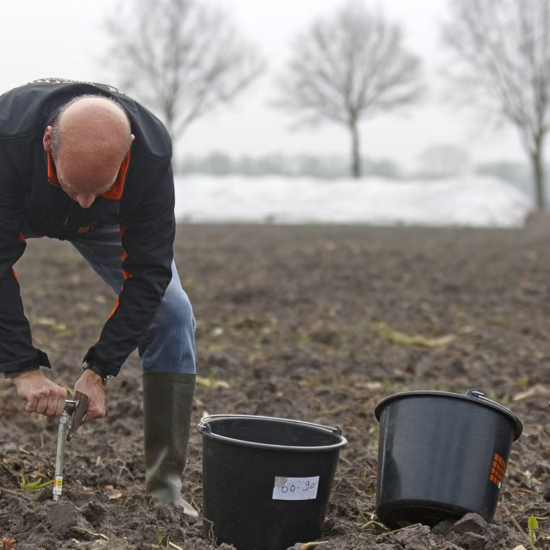
An N-min measurement determines the amount of mineral nitrogen present in a sampled soil layer. The analysis quantifies the amounts of nitrate and ammonium nitrogen. These data provide insight into the available nitrogen supply and help assess nitrogen availability for the crop. 

Measuring for More Targeted Fertilization 

In practice, farmers often rely on standards, fertilization recommendations, and experience from previous years. However, weather conditions and soil processes can cause actual nitrogen levels to differ from expectations. 

“You might think there’s still enough nitrogen available, but without a measurement, that remains an assumption,” says Robalab. “An N-min measurement provides you with up-to-date data, which can be used as a tool when formulating a fertilization recommendation.” 

The measurement results can help determine whether to apply additional nitrogen, but also support the decision not to apply extra fertilizer. This allows fertilization to be better tailored to the specific conditions of the field. 

Especially valuable in the spring

N-min measurements are taken at various stages of the growing season. In the spring, the analysis provides insight into the available mineral nitrogen supply, and this information can be used to determine the fertilization strategy. 

A post-harvest measurement is also valuable. The amount of mineral nitrogen remaining in the soil at that time provides insight into the nitrogen residue after the crop has been harvested. This is relevant not only for nitrogen utilization but also for assessing the risk of nitrogen losses. 

Mineral Nitrogen and the Risk of Nitrate Leaching 

Mineral nitrogen that remains in the soil after harvest can be further leached into deeper soil layers by precipitation. When nitrate is carried into the groundwater along with excess precipitation, this can contribute to a deterioration in groundwater quality. 

The amount of mineral nitrogen in the soil is therefore an important indicator when assessing the risk of nitrate leaching. 

The measurement does not directly determine how much nitrate ultimately ends up in the groundwater. Factors such as soil type, precipitation, crop uptake, nitrogen mineralization, and the presence of a cover crop also play a role in this process. 

A Role in the Development of Target-Based Management for Water Quality 

The importance of understanding mineral nitrogen reserves aligns with the development of farm-specific water quality target-based management. The draft of the 8th Nitrates Directive Action Program focuses on an approach in which water quality and the performance of individual farms play a greater role. 

Measurements of mineral nitrogen residue can contribute to understanding the risk of nitrate leaching within this framework. Thus, N-min measurements are relevant not only for fertilization strategy but also for the broader challenge of limiting nitrogen losses to groundwater and surface water. 

Not all soils react the same way

The amount of available nitrogen is influenced by various factors, such as soil type, organic matter, temperature, precipitation, and crops grown in previous years. As a result, fields that are close to one another can still differ significantly from one another. 

That is precisely why it is valuable not to rely solely on general recommendations, but also to use up-to-date measurement data from your own field. This provides a more well-founded picture of the nitrogen supply and the opportunities for improving nitrogen utilization. 

Reliable results start with a thorough analysis 

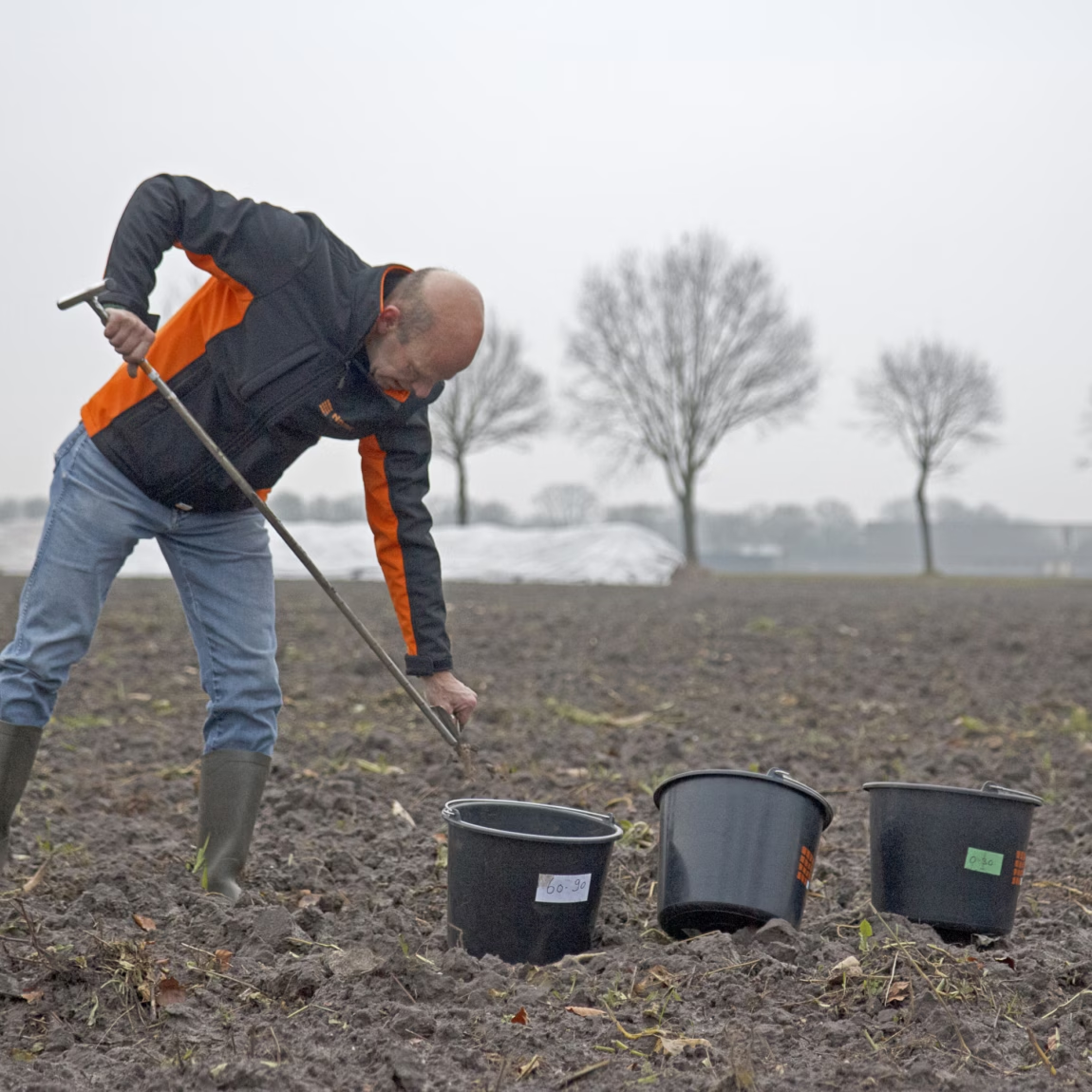
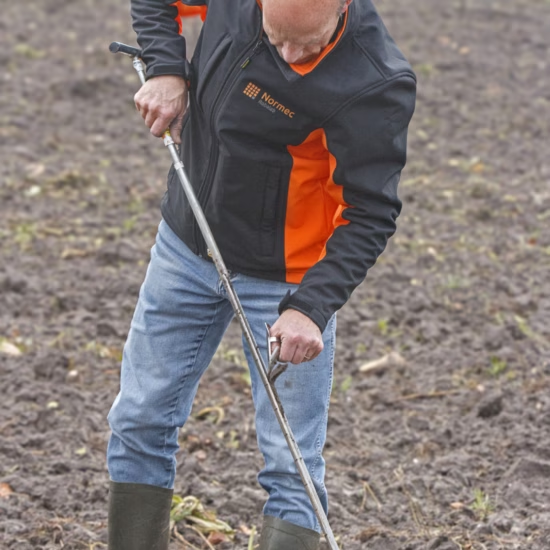
An N-min measurement is only valuable if sampling and analysis are performed carefully. The representativeness of the soil sample and the correct sampling depth are key considerations in this regard. 

Robalab possesses the expertise and analytical methods needed to assess the mineral nitrogen content in the soil. We apply this expertise to our projects. We currently serve as the testing laboratory for N-min Uitvoering B.V., which is preparing for the target-based management requirements under the 8th Nitrate Program. The results provide growers with a well-founded basis for fertilization decisions and help them gain a better understanding of nutrient availability and nitrogen residues in their soil.  

Would you like to know how much mineral nitrogen is present in your soil?

Please contact Normec Robalab.

Fill out the form and we will contact you shortly.

Name
In which country would you like to be assisted?
Privacy Policy 

Related news articles

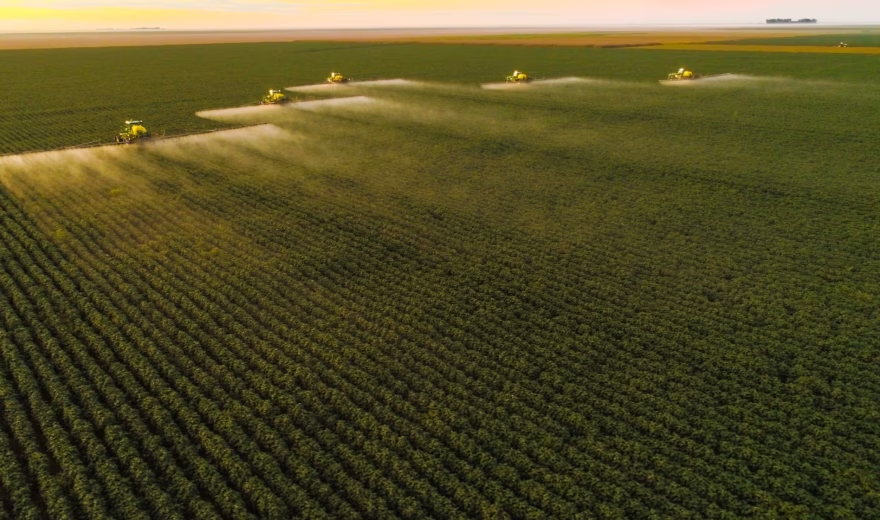
Several agricultural machines are spraying crops on a vast agricultural field.
10 Jun 2026

Pesticide Analysis in Food: Interview with a Laboratory Expert

In the European food industry, pesticide analysis remains a central component of food safety and compliance with statutory maximum residue limits (MRLs). At the same time, the focus is increasingly shifting from pure detection toward interpretation, methodology, and risk-based monitoring. We spoke with a laboratory expert about how modern pesticide analyses are conducted and evaluated in practice today.


Tablets display a digital application for inspections, audits, and data recording.
13 May 2026

OneThird and Normec optimise quality control in the fresh produce sector

Together with OneThird, Normec Foodcare is working on smarter and more reliable quality control within the fresh produce sector. By combining data, AI technology and hands-on quality expertise, organisations gain greater insight into the shelf life and quality of fresh products. This helps companies throughout the supply chain make faster, data-driven decisions, reduce food waste and improve product quality assurance.

17 Jun 2024

Increasing focus by retailers on soil analysis

Numerous aspects in the soil help determine how a crop develops. There is a lot of attention to the amounts of nitrogen and potassium present in the soil. Nitrogen is one of the most important nutrients for the plant, ensuring the growth and green color of the crop. To determine if sufficient nitrogen is present, you need to perform N-mineral analyses. There is also increasing attention to these analyses from retailers. Retailers want to check whether there is a risk of nitrate leaching and would like to reduce this risk. Thus, there are chain concepts that require affiliated growers to have N-mineral samples taken by an accredited laboratory. Normec Robalab, part of Normec Foodcare, is one of the Dutch accredited laboratories that performs these samplings and analyses.

Sign up for our newsletter

Sign In

Naam

Related Services

Soil testing

Nematodes visible in the soil near plant roots for research and analysis.

Nematode testing

A person in a lab coat is working at a lab table with test tube racks and testing materials in a modern research environment.

Analysis and monitoring