
Accessibility links Skip to main content

Bentazon: stricter measures due to water pollution in Flanders

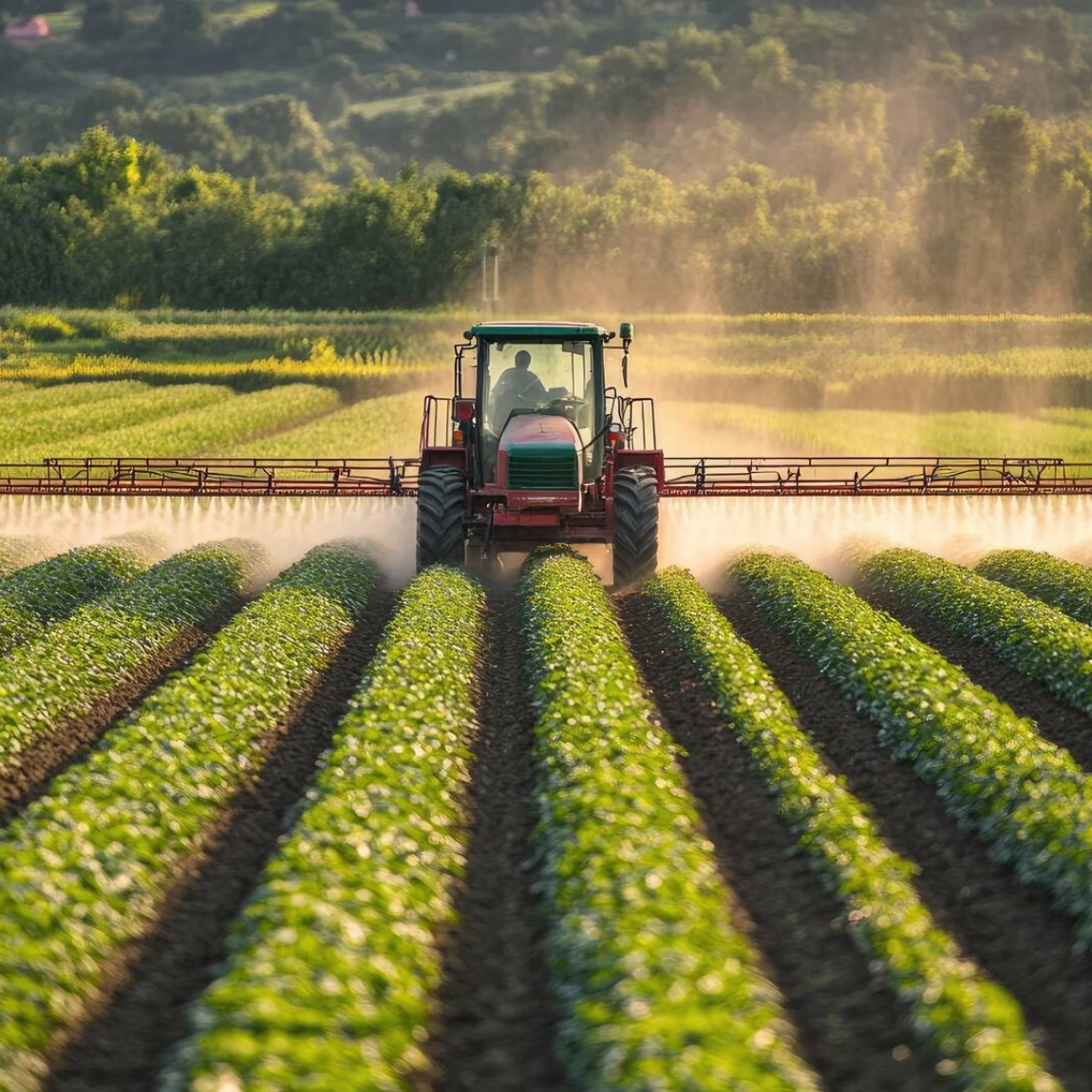
In both Belgium and the Netherlands, there are strict regulations around the use of bentazon. This is a herbicide used to control weeds, especially in crops such as beans and peas. Due to recently published studies showing that the measures in Flanders have insufficient effect, the rules have been tightened in Belgium as of 2024. The rules relate primarily to the protection of the environment, particularly the quality of ground and surface water. While the basic principles of the legislation are similar in both countries, there are some specific differences that are explained below.

Contact us

Fill out the form and we will contact you shortly.

Name
In which country would you like to be assisted?
Privacy Policy 
Continue reading

(Tightened) legislation in Belgium

In Belgium, the use of plant protection products such as bentazone is regulated by several government agencies, including the Federal Public Service of Public Health, Food Chain Safety and Environment (FPS Public Health) and regional environmental agencies. The main regulations surrounding bentazon are:

  • Restricted use: Bentazon may only be used on plots where it has been determined that there is no risk of leaching to groundwater. This means that farmers must ensure that their soil contains sufficient organic matter, which can reduce leaching.
  • Buffer zones: There is a mandatory buffer zone of at least 5 meters around surface water. In addition, techniques must be implemented to reduce pesticide drift (the unintended drift of spray mist) by at least 75%.
  • Distance from watercourses: Crops treated with bentazon must be sown at least 5 meters away from watercourses.
  • Water catchment areas: The use of bentazon is prohibited in water catchment areas used for the production of drinking water. Farmers are required to check if their plot is in such an area.
  • Registration requirement: Plots on which bentazon is used must be registered. Only registered farmers may purchase and use bentazon.

If water quality does not improve during 2024, the use of bentazon may be completely banned in Belgium.

Legislation in the Netherlands

In the Netherlands, the use of plant protection products, including bentazon, is regulated by the Board for the Authorization of Plant Protection Products and Biocides (CTGB). The Dutch rules are as follows:

  • Water protection: Bentazon may only be used on plots of land where there is no risk of contamination of ground and surface water. As in Belgium, measures are taken to prevent leaching, such as using soils with sufficient organic matter.
  • Drift control: There are strict rules for applying drift control techniques. This includes using specific nozzles and maintaining buffer zones around watercourses.
  • Buffer zones: As in Belgium, the Netherlands has a mandatory buffer zone of at least 5 meters along watercourses and water bodies to reduce the risk of surface water contamination.
  • Prohibition in water catchment areas: The use of bentazon is prohibited in water catchment areas where drinking water is extracted, to prevent the pollution of groundwater.
  • Monitoring and reassessment: In the Netherlands, the use of bentazon is regularly assessed based on monitoring data. If bentazon is found to pose too great a risk to water quality, the authorization may be adjusted or withdrawn.

Comparison between Belgium and the Netherlands.

Buffer zones and distance from watercourses: both countries apply a buffer zone of 5 meters around watercourses and there are obligations to apply drift-reducing techniques.

  • Water catchment areas: In both Belgium and the Netherlands, the use of bentazon in water catchment areas is prohibited to protect drinking water supplies.
  • Leaching restrictions: Both countries emphasize preventing leaching to groundwater, with specific requirements such as controlling soil organic matter.
  • Registration requirements: In Belgium, plots must be registered in order to use bentazon, while in the Netherlands this is controlled primarily through strict permitting rules and compliance with application requirements.
  • Future restrictions: Belgium has clearly stated that if water quality does not improve by 2024, the use of bentazon may be completely banned. The Netherlands follows a similar line of reassessment, but there is no explicit deadline (for now).

Conclusion

In both Belgium and the Netherlands, legislation around the use of bentazon is strict, with a strong emphasis on water protection. Although the rules are largely similar in both countries, the emphasis in Belgium is somewhat more on mandatory registration of plots, while the Netherlands is mainly committed to monitoring and reassessment by the CTGB. Both countries may further restrict the use of bentazon if water quality does not improve.

Get your soil and surface water analyzed

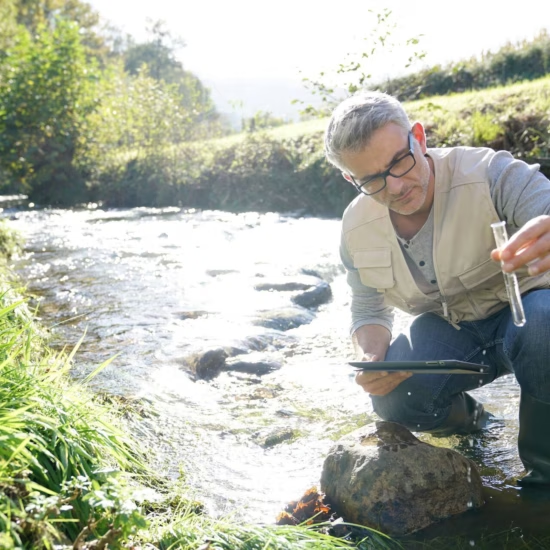
The agricultural sector is the base of the food chain. Normec helps companies in the agricultural sector to gain insight into the quality of raw materials, products and processes. Only then can you deliver a high-quality product to your customer in the chain. Normec offers insight, solutions and provides services in the field of sampling, laboratory analysis and advice for the agricultural sector.

Need support in the food sector?

Our experts are happy to think with you and help you quickly on your way.

Request a quote

Fill out the form and we will contact you shortly.

Name
In which country would you like the service to be carried out?
Privacy Policy 

Related news articles

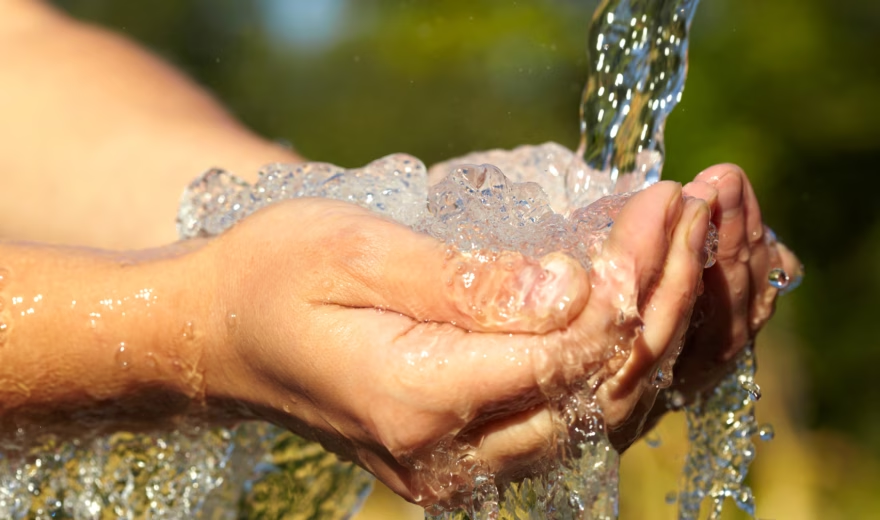
Hands cupped under running water from a natural spring.
11 Feb 2026

PFAS in drinking water: new standard from January 2026

The introduction of mandatory PFAS monitoring in drinking water marks an important turning point for water quality within the European Union. Starting in early 2026, all member states will have to systematically test for per- and polyfluoroalkyl substances, known as PFAS, some of which are among the most persistent and chemicals of concern known to man. The new standards, set forth in the revised EU Drinking Water Directive (Directive (EU) 2020/2184), are intended to better protect consumers from chronic exposure through tap water and water used in food production and processing.
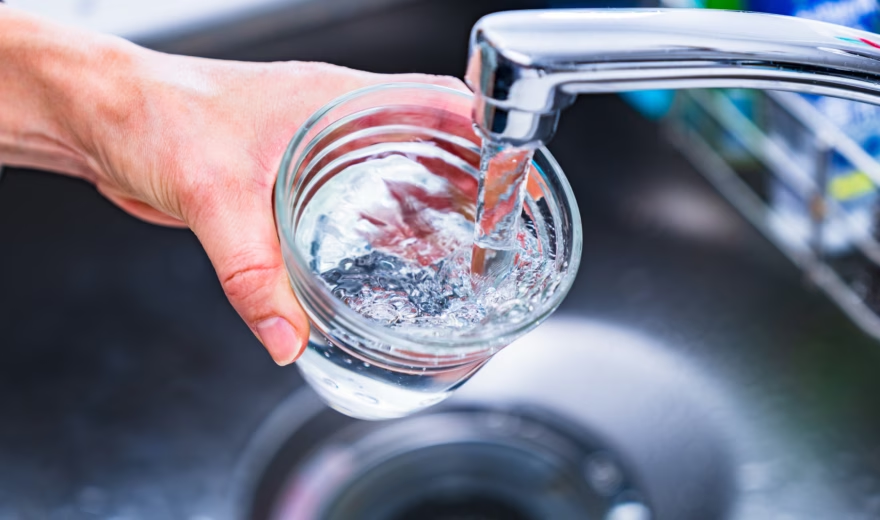
A water sample is collected from a faucet into a glass jar for water testing.
22 Sep 2026

PFAS in drinking water: What do regional differences mean for agribusinesses and food companies?

PFAS, a collective term for thousands of chemicals known as “forever chemicals,” are found worldwide in soil, surface water, groundwater, and food production chains. Greenpeace’s new PFAS map shows that these substances can also enter the human body and the food production chain via drinking water.

28 Oct 2025

Residues under control: why pesticide analysis is critical for food safety

In the food industry, pesticide residue monitoring has long since ceased to be an administrative requirement. For producers of fruits, vegetables, nuts, seeds, kernels and grains, it is a daily challenge to ensure that their products comply with legal residue limits (MRLs). For consumers, this means certainty and transparency; for producers, protection from recalls, import restrictions and reputational damage. Residue analyses are a strategic investment in food safety. They help companies demonstrate that their products comply with strict European standards, and contribute to customer and end consumer confidence. Indeed, a single violation can have major consequences, from negative publicity to the temporary withdrawal of products from the market.

17 Jun 2024

Increasing focus by retailers on soil analysis

Numerous aspects in the soil help determine how a crop develops. There is a lot of attention to the amounts of nitrogen and potassium present in the soil. Nitrogen is one of the most important nutrients for the plant, ensuring the growth and green color of the crop. To determine if sufficient nitrogen is present, you need to perform N-mineral analyses. There is also increasing attention to these analyses from retailers. Retailers want to check whether there is a risk of nitrate leaching and would like to reduce this risk. Thus, there are chain concepts that require affiliated growers to have N-mineral samples taken by an accredited laboratory. Normec Robalab, part of Normec Foodcare, is one of the Dutch accredited laboratories that performs these samplings and analyses.

Sign up for our newsletter

Sign up

Naam

Related services

Water testing for safe water quality

A laboratory technician performs quality control on samples in a modern testing laboratory.

Legionella Risk Analysis and Control Plan

A person in a lab coat is working at a lab table with test tube racks and testing materials in a modern research environment.

Analysis and monitoring