Accessibility links Skip to main content

Between Regulations and Reality: How the German E. coli Crisis Exposes the Weak Spots in Our Food Supply Chain

The recent E. coli outbreaks in Germany once again demonstrate how vulnerable our food supply chain can be, even in a market rife with regulations, quality standards, and technological advances. Hundreds of people fell ill, dozens seriously, and the source of the contamination remains unclear. For QA managers in the food industry, this is a time to reflect on their own processes: how well can we truly manage risks and prevent an incident from escalating into a crisis?

Contact us

Fill out the form and we will contact you shortly.

Name
In which country would you like to be assisted?
Privacy Policy 
Continue reading
A woman is looking through a microscope at samples in a laboratory.

From Intestinal Bacteria to Crisis: The Danger of O45:H2

In Germany, an outbreak of the rare Escherichia coli serotype O45:H2 has led to hundreds of reported cases. So far, 351 cases have been recorded, 48 of which are severe cases of hemolytic-uremic syndrome (HUS), a condition that can cause kidney failure, anemia, and thrombocytopenia. This bacterium occurs naturally in the intestines of animals and humans, but some strains produce toxins that can cause severe illness when contaminated food is consumed. The current outbreak began in late August in Mecklenburg-Vorpommern and spread rapidly to other parts of Germany; the exact food source has not yet been definitively identified.

A wake-up call for the supply chain

Although the current outbreak is smaller in scale than the major German crisis of 2011, the patterns are unfolding with striking speed. Complex supply chains, rare pathogens, and limited traceability make it difficult to respond quickly. In many cases, it takes weeks to trace the source, with all the resulting consequences for consumer confidence, reputation, and business continuity.

For QA managers, the message is clear: it’s not just about complying with standards, but about truly understanding and controlling the entire chain. This starts with insight into the origin of raw materials, the conditions in the production environment, and the distribution routes until the product reaches the consumer. Organizations that proactively invest in this area have a head start when an incident occurs.

Risks often lie off the beaten path

Many companies focus on animal-based products such as meat, fish, and dairy, because the risks associated with these have been known for some time. However, recent outbreaks show that plant-based products such as sprouts or raw ingredients can also be a source of E. coli. This requires QA managers to take a broader view of risks and hygiene.

Implementing thorough risk analyses that also take less obvious products into account is essential. Monitoring, spot checks, and audits of both internal processes and suppliers can prevent contamination from going unnoticed.

Culture, training, and communication make the difference

Technology and processes are important, but human factors are often decisive. Staff must understand why hygiene protocols exist and report deviations immediately. Regular training and awareness programs create a culture that prioritizes food safety.

When an incident does occur, transparent and prompt communication is crucial. Maintaining trust among consumers, authorities, and trading partners can make the difference between a manageable situation and a reputational crisis. QA teams that are prepared with clear procedures and communication channels—including scenario drills—can respond more effectively.

Innovation in Detection and Prevention

Modern techniques such as genetic typing and whole-genome sequencing make it possible to identify pathogens more quickly and trace the source of a contamination. QA managers who leverage these technologies enhance their ability to detect incidents early and take targeted action.

The German E. coli outbreaks demonstrate that even in a strictly regulated food market, no supply chain is completely immune to risks. For QA managers, the challenge lies not only in complying with standards but also in actively managing risks, training staff, and implementing innovative monitoring and prevention systems. Companies that take this seriously can limit incidents and give consumers confidence that their food is safe, regardless of the complexity of the supply chain.

Tip: Get assistance from one of our experts: they can provide support in developing protocols for microbiological monitoring, process validation, and risk assessments. This enables companies not only to comply with regulations but also to effectively establish a robust prevention strategy.

Need support in the food industry?

Our experts are happy to brainstorm with you and get you started quickly.

Request a quote

Fill out the form and we will contact you shortly.

Name
In which country would you like the service to be carried out?
Privacy Policy 

Related news articles

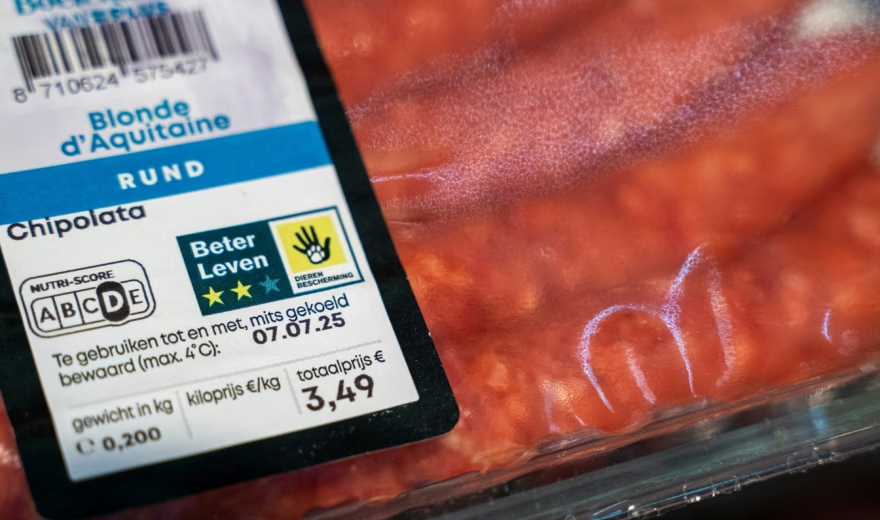
Close-up photo of packaged beef chipolata with product information and nutrition label.
23 Jun 2026

Errors in Label Verification: Where the Risk Lies

In the food industry, label verification is much more than a final administrative step in the quality process. It is a critical control measure within food safety and QA, with a direct impact on consumer safety, compliance, and the risk of recalls. Yet in practice, it turns out that label checking and verification remain a structural weak point within many organizations.
23 Jun 2026

PFAS in Packaging: Why Analytical Evidence Is Becoming Increasingly Important

PFAS have been high on the European agenda for several years now. While attention used to be focused primarily on drinking water, soil contamination, and industrial emissions, the focus is increasingly shifting to packaging materials that come into contact with food.

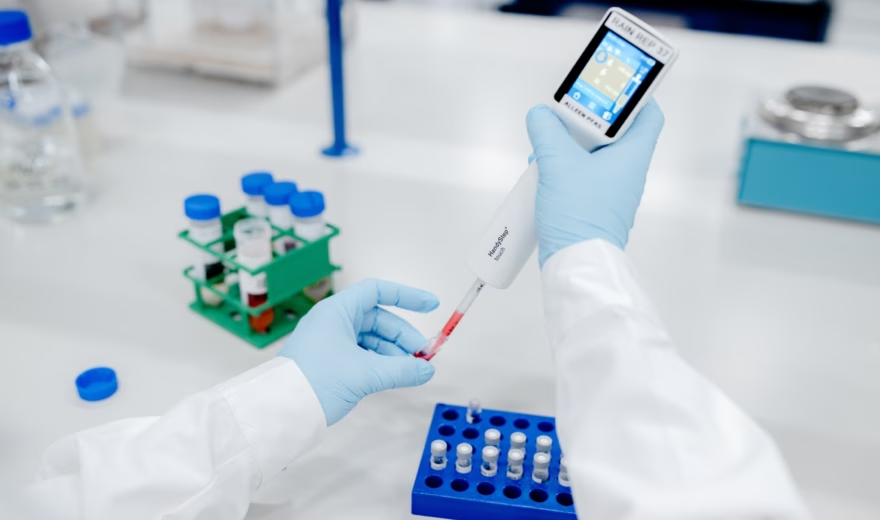
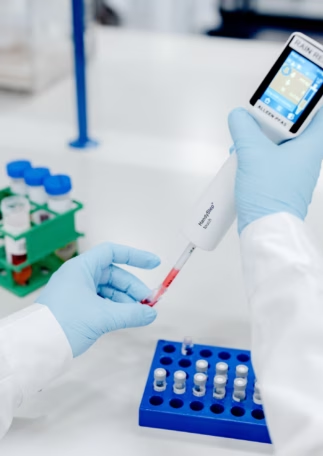
Laboratory analysis in which a liquid is precisely dispensed into a series of sample tubes.
23 Jun 2026

Caffeine in Food and Cosmetics: Why Analysis Is Becoming Increasingly Important

Caffeine is one of the most widely consumed bioactive substances in the world. Most consumers associate caffeine with coffee, tea, energy drinks, and cola, but the reality is much broader. Today, caffeine is found in a growing number of food products, dietary supplements, and even cosmetics. This widespread use creates opportunities for manufacturers, but also presents challenges in terms of quality assurance, labeling, and regulatory compliance.

A liquid sample is added to a petri dish with a pipette for laboratory analysis.
27 Jul 2026

Normec Informs Customers About Regulations Regarding Animal By-Products When Submitting Samples

WIERINGERWERF – Normec Foodcare is reminding customers of the applicable European regulations for animal by-products (ABP) and derived products. This is in response to increased scrutiny by the Netherlands Food and Consumer Product Safety Authority (NVWA) regarding the correct application of this legislation within the chain of sample submission, analysis, and processing. The regulations are set forth in Regulation (EC) No. 1069/2009 and the accompanying implementing provisions in Regulation (EU) No. 142/2011. The purpose of these regulations is to protect public health, animal health, and the safety of the food and feed chains.

Compressed plastic bottles represent a stream of recyclable packaging material.
22 Jun 2026

Q&A with the Expert: Everything You Need to Know About the PPWR

The Packaging and Packaging Waste Regulation (PPWR) marks a significant change in European packaging legislation. The new rules affect not only packaging manufacturers but also the entire supply chain, including food companies and QA teams. What exactly does the PPWR entail? What specific changes will there be for food contact materials? And how can your organization prepare for this? We asked an expert in food contact materials and packaging compliance.

25 May 2026

New French MRL law as catalyst for stricter marketing standards

With the recent introduction of stricter national residue standards, France has reignited the debate over Maximum Residue Levels (MRLs) in the European Union. Whereas the EU has had a harmonized system for pesticide residues in food for many years, France is now opting for additional national restrictions for specific active substances. This development has direct implications for companies importing agricultural products to France or exporting from France.

03 Feb 2026

Analyses under the microscope: How are bacteria in food analyzed in the laboratory?

Analyzing bacteria in food is crucial to ensuring food safety. Microbiological analyses help producers, regulators and researchers understand whether food is safe for consumption, and what types of bacteria are present. In this article, we explain what techniques are used, the advantages and disadvantages, and how to interpret the results.

Sign up for our newsletter

Sign up

Naam

Related services

Microbiological research

Food safety risk scan

Shelf life testing

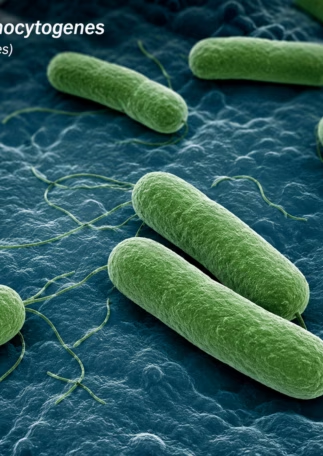
Illustration of Listeria monocytogenes, a bacterium relevant to food safety research.

Listeria research and studies