
23 Jun 2026
Sustainable Packaging: The Underestimated Risks to Shelf Life and Food Safety
Sustainable packaging: the underestimated risks to shelf life and food safety
A cyber incident involving refrigeration and freezing systems demonstrates how quickly a digital disruption can impact food safety and business continuity. This is also an important wake-up call for QA managers in Belgium and the Netherlands: preventive measures are only effective if they are regularly checked to ensure they work in practice.

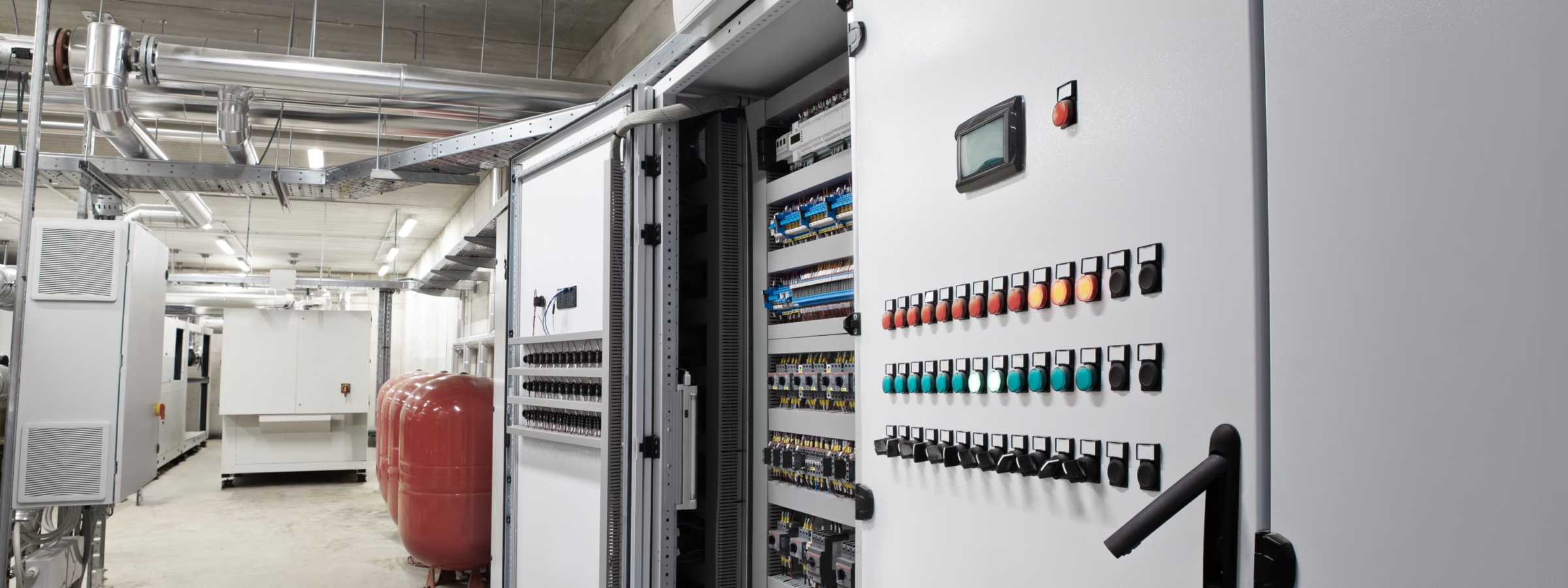
On October 12, 2026, CERT-FR issued a warning about security incidents involving remotely accessible refrigeration system controllers. The authority reported multiple compromises and advised organizations to immediately check and secure their systems. For food companies and retailers in both Belgium and the Netherlands, the broader lesson is clear: as soon as critical refrigeration technology is connected and remotely accessible, that access must also be included in the food defense and cybersecurity assessment.
The incident underscores that tampering with temperature settings does not necessarily have to take place physically on-site. Anyone who gains remote access to a controller or management system may be able to change settings, influence alarms, or disrupt the operation of a system. For QA, the implications are clear: a digital security breach can directly impact the cold chain, product hold, release decisions, and the potential destruction of products.
Food defense is often approached from the perspective of physical threats: unauthorized access, tampering with raw materials, suspicious visitors, or sabotage by an insider. The incident in France makes it clear that connected buildings and process facilities can also serve as entry points. An attacker does not need to be physically inside a cold storage room to influence the storage temperature.
For QA, this means that food safety, food defense, IT security, and operational technology cannot be managed in isolation from one another. A technical alarm is not just a maintenance alert. It can also be the first sign of deliberate tampering with consequences for product safety, availability, traceability, and business continuity.
Many organizations have access controls, temperature alarms, video surveillance, supplier agreements, and an incident response procedure. Yet the crucial question remains: Does your organization detect sabotage quickly enough, and does the response system work even outside of business hours? A system may receive a green checkmark during an audit, even though alarms are configured incorrectly, notifications are sent to the wrong person, or no one is authorized to immediately block products.
An effective food defense plan therefore not only describes the measures in place but also provides evidence that they are effective. Examples include documented alarm tests, verifiable follow-up procedures, periodic reviews of user access rights, remote supplier evaluations, and drills in which QA, IT, engineering, operations, and communications teams work together.
Respond not only to temperature limits being exceeded, but also to unexpected setpoint changes, prolonged defrost cycles, disabled sensors, unusual energy spikes, and simultaneous malfunctions at multiple locations.
Ensure that critical reports are forwarded to both the technical department and QA or operations. This way, a food safety risk will not be treated solely as a technical malfunction.
Identify which systems are accessible from outside the network, who has access to them, and through which provider. Use strong authentication, restrict access rights, segment networks, and remove unused accounts and connections.
Periodically compare digital temperature data with independent measurements. A second sensor or manual verification can help detect tampering or an incorrect reading more quickly.
Multiple similar alarms, configuration changes made at night, or anomalies occurring shortly after maintenance warrant immediate escalation, even if the temperature is still within the limit.
Specify how equipment can be operated locally or manually when remote control is unreliable, without creating new food safety or occupational hazards.
A tabletop exercise quickly reveals where procedures fall short. For example, use the scenario where, at 2:00 a.m., multiple refrigeration units simultaneously report an abnormal temperature. The service desk sees a technical alarm, but QA isn’t notified until the facility opens. Then have the team demonstrate who takes charge, how measurement data is validated, which products are blocked, when the cold chain is considered broken, and who decides on release, destruction, reporting, and communication.
During the exercise, evaluate at least the following questions: Does the alarm system work at night and on weekends? Are up-to-date contact details available? Can the team identify unauthorized changes? Is it clear which external parties have access? Are independent temperature data available? Can the organization isolate affected systems without losing all monitoring capabilities? And can it substantiate, on a product group basis, which items have remained safe?
Include cold storage rooms, freezers, sensors, gateways, building management systems, and external service connections in the food defense assessment.
Check not only whether a sensor is measuring, but also whether the alert reaches the right person, is acknowledged, and leads to action within the standard time frame.
Establish requirements for access control, updates, logging, incident reporting, out-of-hours response, and revocation of access following a change in contract or personnel.
Systematically discuss relevant cyber incidents and vulnerabilities within the food defense team, and include product safety in technical risk analyses.
Document your findings, assign responsibilities and deadlines. This is the only way to demonstrate that the plan is effective.
No food defense plan can prevent every incident. The goal, therefore, is not to promise absolute safety, but to reduce vulnerabilities, detect anomalies early, and quickly manage the consequences. The incident in France shows that a seemingly technical malfunction can render food unusable in a short period of time.
The key question for QA is therefore not just: Do we have a food defense plan? But above all: When was the last time we proved that it works?
Our experts are happy to work with you and help you get started quickly.
Sustainable packaging: the underestimated risks to shelf life and food safety

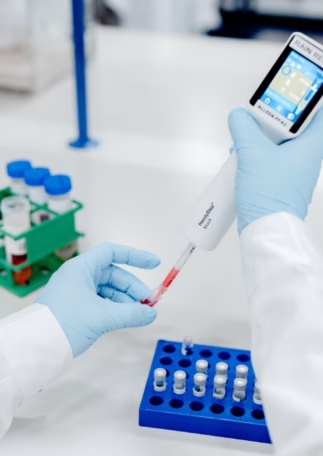
As a production company, you regularly perform lab and microbiological analyses: sampling of the environment, of raw materials, semi-finished and finished products. How do you perform this correctly and what are important things to consider?
PFAS have been high on the European agenda for several years now. While attention used to be focused primarily on drinking water, soil contamination, and industrial emissions, the focus is increasingly shifting to packaging materials that come into contact with food.
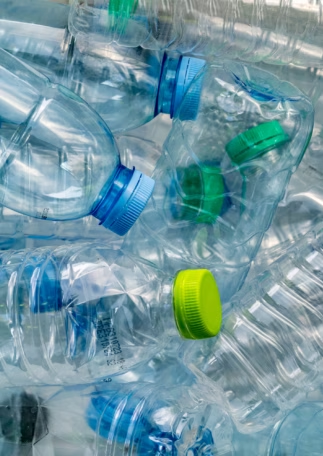
The Packaging and Packaging Waste Regulation (PPWR) marks a significant change in European packaging legislation. The new rules affect not only packaging manufacturers but also the entire supply chain, including food companies and QA teams. What exactly does the PPWR entail? What specific changes will there be for food contact materials? And how can your organization prepare for this? We asked an expert in food contact materials and packaging compliance.