
Accessibility links Skip to main content

DGHM Values for 2026: When a Microbiological Exceedance Requires More Than Just a New Test Result

In practice, an analysis result exceeding a DGHM guideline or warning value quickly raises the same questions. Is the product still safe? Is there a regulatory nonconformity? Does the product specification need to be revised, or does the cause lie in the process, the raw material, or the sampling procedure? The drafts published by the DGHM in May 2026 make it clear how important it is to distinguish between statutory microbiological criteria and the guideline and warning values of the German Society for Hygiene and Microbiology (DGHM). For QA managers serving the German market, this distinction is crucial for ensuring a proportionate and well-founded follow-up.

Continue reading
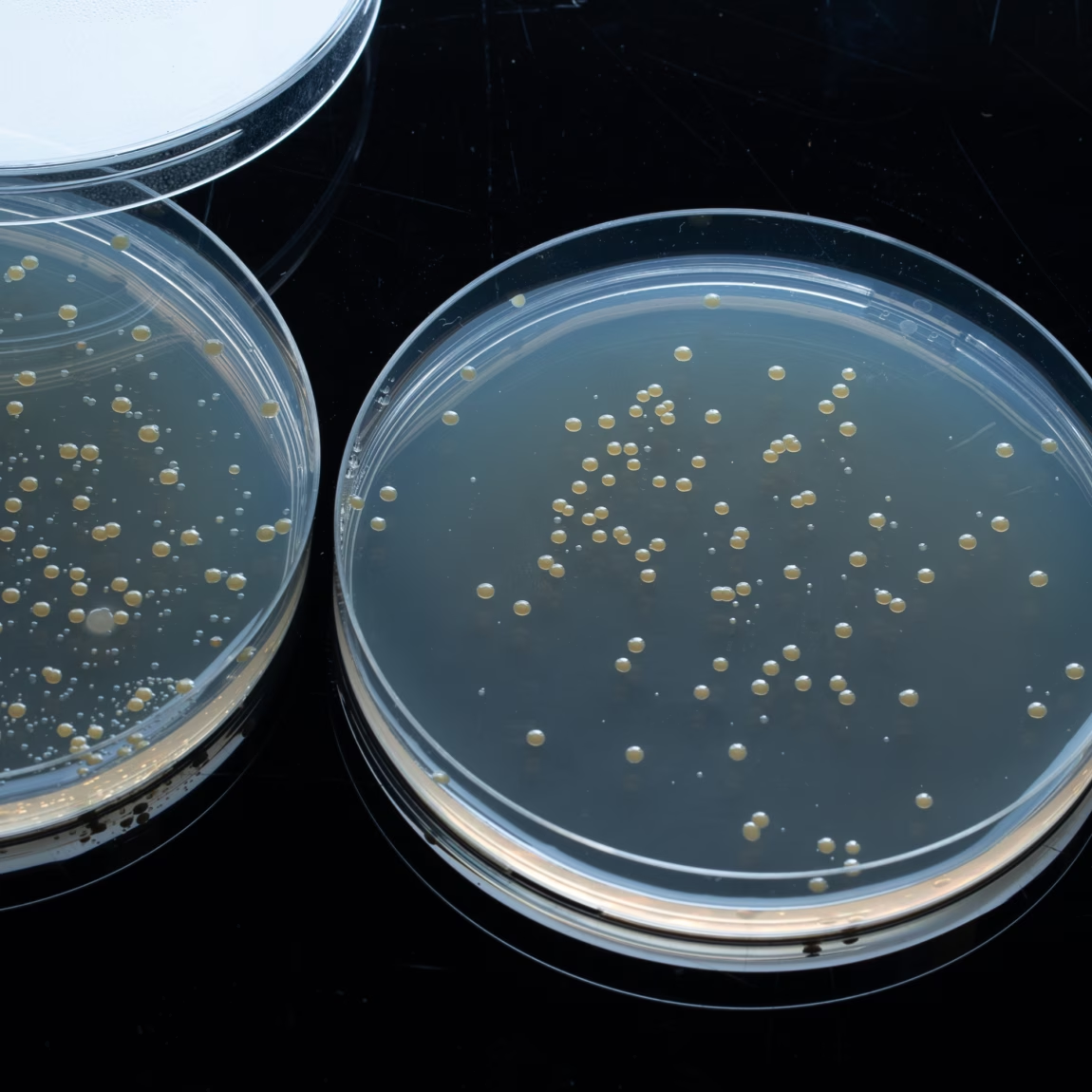
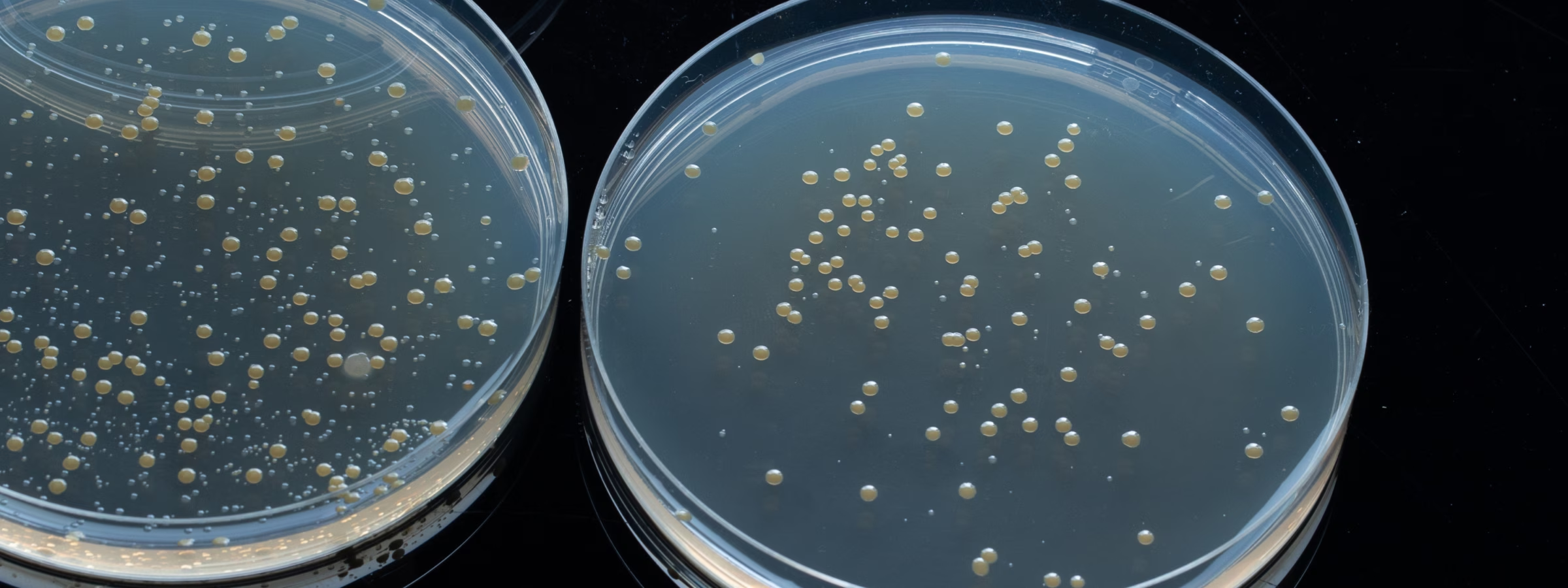
Two petri dishes containing visible microbial colonies during microbiological testing in a laboratory. The image illustrates sample analysis, quality control, and laboratory testing.

Legal criteria and DGHM values are not the same

The legal microbiological criteria set forth in Regulation (EC) No. 2073/2005 are legally binding for the foodstuffs, microorganisms, sampling plans, and sampling times described therein. Depending on the criterion, the focus is on food safety or process hygiene. A non-compliant result must therefore be assessed and addressed within the applicable legal framework, in conjunction with the general responsibilities for food safety.

The DGHM guideline and warning values serve a different purpose. According to the official DGHM preamble, they are legally non-binding recommendations for assessing the hygienic-microbiological quality of specifically defined food products. As a rule, they apply to products offered to the end consumer and that are in commercial circulation during their shelf life. The values must not be applied to other food products and must be regarded as maximum values or endpoint values, respectively.

A laboratory technician examines a food sample with a pair of tweezers under a microscope. Various food items used for quality control and laboratory analysis are laid out on the workbench.

What does an exceedance really tell us?

A guideline value describes the microbiological level that is, in principle, achievable with good hygiene and manufacturing practices for the relevant product group. The DGHM requires a product-specific assessment in this regard: the formulation and production process are taken into account when determining the values. Because these values serve as maximum or endpoint values, the timing of sampling and the stage within the shelf life must also be considered in the interpretation.

An exceedance requires a substantive assessment and must not be interpreted in isolation from the microorganism in question, the product, and the applicable legislation. Furthermore, the DGHM preamble stipulates that the assessment of measurement uncertainty falls within the expertise of the testing laboratory. A DGHM exceedance therefore does not automatically constitute a legal violation or imply that a product is unsafe; legal criteria and other food safety regulations remain separately applicable.

The DGHM drafts from May 2026 call for careful interpretation

On May 6, 2026, the responsible DGHM working group reviewed new drafts for aged brined cheeses, such as feta, and for raw or heated shellfish sold as refrigerated or frozen products. The DGHM subsequently published these documents as drafts as of May 2026. This distinction in status is essential: a draft is intended for expert consultation and is not yet a definitively published recommendation.

Until the DGHM finalizes and publishes a draft, the existing final recommendations remain the appropriate DGHM reference framework. Draft values must therefore not be inadvertently included as current DGHM limits in laboratory reports or product specifications. A company may, however, consciously choose to use a draft value temporarily as an internal action level or as a contractual agreement, but must then explicitly document that status. This ensures it remains clear that this is a provisional, risk-based decision and not an already applicable DGHM recommendation.

The draft for aged brine cheese includes a guideline value of 1 ×10⁶ CFU/g for yeasts, without a warning value. If a guideline value for spoilage organisms for which no warning value has been established is exceeded, the draft text calls for additional assessment criteria, particularly sensory abnormalities. The draft for raw or heated shellfish contains a guideline value of 5 ×10⁶ CFU/g for the aerobic mesophilic plate count. If this value is exceeded, sensory evaluation must be included in the assessment. In addition, the draft states that further testing for Vibrio species may be appropriate, depending on the product and region of origin. For E. coli and coagulase-positive staphylococci, the text refers, in the case of cooked shellfish and mollusks without a carapace or shell, to the process hygiene criteria of Regulation (EC) No. 2073/2005 at the end of the production process.

Do not blindly adopt a DGHM value in the product specification

DGHM valuesmaybe included in customer specifications as acceptance limits.

This means that a non-binding recommendation can indeed have contractual consequences. Therefore, for each microbiological requirement, specify what it is based on, which product category it applies to, at what point during the shelf life the test is conducted, and which analytical method and decision rule are used. Furthermore, verify that the product actually falls within the scope and form of application of the relevant DGHM recommendation. Values are product-specific and should not be automatically applied to comparable products.

A product specification must also clarify whether a value represents a legal limit, a DGHM guideline value, a DGHM warning value, or an internal action level. Without this clarification, there is a risk that laboratory results will be misinterpreted, leading to unnecessary hold-ups or, conversely, delayed action. Therefore, review specifications not only when a number changes, but also when an explanation, product definition, or application condition is modified.

A reliable decision starts with a dialogue with the laboratory

In the event of an abnormal result, QA needs more than just a certificate with a value marked in red. Discuss with the laboratory whether the correct reference was used, how measurement uncertainty is accounted for, and whether additional confirmation or characterization is warranted. At the same time, review historical results, process data, and other samples from the same batch. A reanalysis can provide information, but it should not replace a substantive root cause analysis.

This collaborative assessment process makes it possible to tailor measures to the actual risk. Sometimes, additional monitoring or a hygiene investigation is appropriate. In other situations, batch hold, an additional safety assessment, an adjustment to the shelf life, or further corrective actions are necessary. The rationale must be reproducible: which standard or recommendation was used, which product context was assessed, and why was this course of action chosen?

From Threshold Values to Control

The DGHM drafts from May 2026 provide a good opportunity to revisit and compare microbiological product specifications, laboratory protocols, and internal decision-making rules. The goal is not to apply draft values prematurely as definitive standards, but to monitor changes in a timely manner and implement them correctly following final publication. Clearly distinguishing between legal criteria, final DGHM recommendations, drafts, and internal action levels prevents unnecessary discussion and simultaneously strengthens microbiological control.

Want to know if your specifications still align with the current DGHM recommendations and legal criteria? 

Have your product specifications and analysis program evaluated in the context of your product, process, and target market. This ensures that laboratory results are not only measured but also interpreted correctly.

Need support in the food industry?

Our experts are happy to work with you and help you get started quickly.

Request a quote

Fill out the form and we will contact you shortly.

Name
In which country would you like the service to be carried out?
Privacy Policy 

Contact us

Fill out the form and we will contact you shortly.

Name
In which country would you like to be assisted?
Privacy Policy 

Related news articles

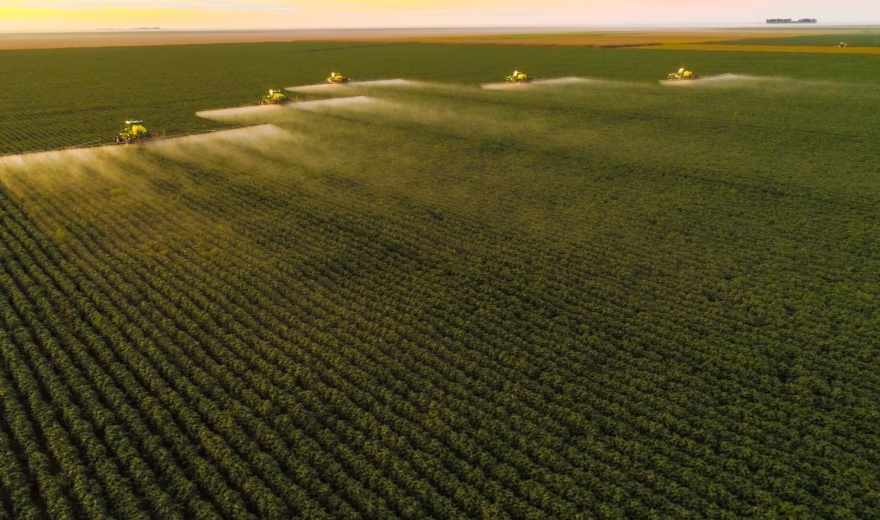
Several agricultural machines are spraying crops on a vast agricultural field.
10 Jun 2026

Pesticide Analysis in Food: Interview with a Laboratory Expert

In the European food industry, pesticide analysis remains a central component of food safety and compliance with statutory maximum residue limits (MRLs). At the same time, the focus is increasingly shifting from pure detection toward interpretation, methodology, and risk-based monitoring. We spoke with a laboratory expert about how modern pesticide analyses are conducted and evaluated in practice today.
03 Feb 2026

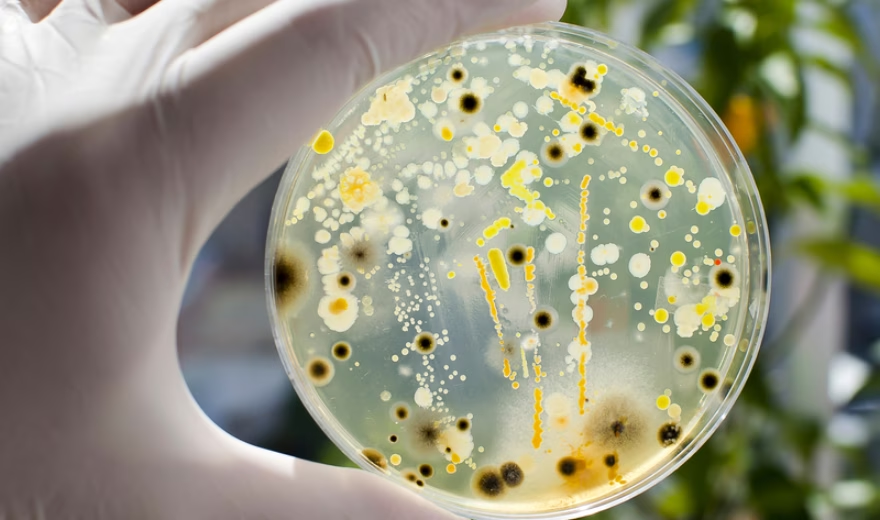
Analyses under the microscope: How are bacteria in food analyzed in the laboratory?

Analyzing bacteria in food is crucial to ensuring food safety. Microbiological analyses help producers, regulators and researchers understand whether food is safe for consumption, and what types of bacteria are present. In this article, we explain what techniques are used, the advantages and disadvantages, and how to interpret the results.

19 Nov 2025

In-line process validation: the new standard for microbiological assurance

Process validation has been a crucial part of quality assurance in the food industry for many years. Traditionally, validations of thermal processes - such as pasteurization or heating - were largely based on scientific models. Think of parameters like P₂ at 70°C for Listeria monocytogenes, which served as a reliable reference for microbiological killing. Yet this model thinking is less and less sufficient in practice. The food industry has changed significantly in recent years: raw materials are more diverse, recipes more complex and expectations regarding food safety more stringent. In addition, microorganisms themselves evolve - they adapt to their environment, develop stress responses and behave differently depending on the composition of the product. A model established decades ago for a classic dairy matrix does not always correctly predict what happens today in a plant-based beverage or meat substitute. Therefore, there is a growing awareness that scientific assumptions must be regularly tested against the reality of the production process. In-line process validation thus becomes an essential tool to ensure microbiological assurance.

29 Oct 2026

Salmonella in Tomatoes: Is Your Monitoring Adequate?

DELFGAUW – A prolonged European outbreak of Salmonella enterica serovar Strathcona ST2559 underscores the importance of a risk-based monitoring program for tomatoes. This is particularly reason for importers, packers, and processors of fruits and vegetables to take a critical look at origin, sampling, and potential routes of contamination.

Sign up for our newsletter

Sign in

Naam

Related Services

Environmental analyses on pathogens

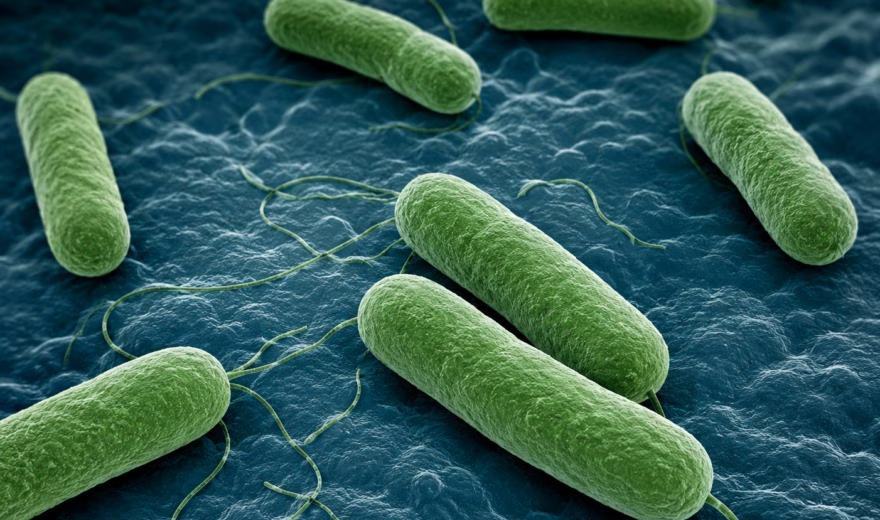
Illustration of Listeria monocytogenes, a bacterium relevant to food safety research.

Listeria research and studies

QA outsourcing food

Food safety risk scan