
Accessibility links Skip to main content

Lecture series on quality management

Are you a QA manager who wants to develop in the field of quality management and food quality? Our lecture series offers the knowledge and insights of five university lecturers and practical experts to help you grow. From food safety to chain cooperation, economic considerations and digitalization, we cover many essential aspects. Increase your influence within your organization and the food chain. Sign up today for this inspiring course and build a strong foundation for your success! The 5 lectures will take place on Wednesday, March 11, Tuesday, March 24, Tuesday, April 21, Tuesday, May 12 and Wednesday, June 17, 2026.

Contact us

Fill out the form and we will contact you shortly.

Name
In which country would you like to be assisted?
Privacy Policy 
Continue reading
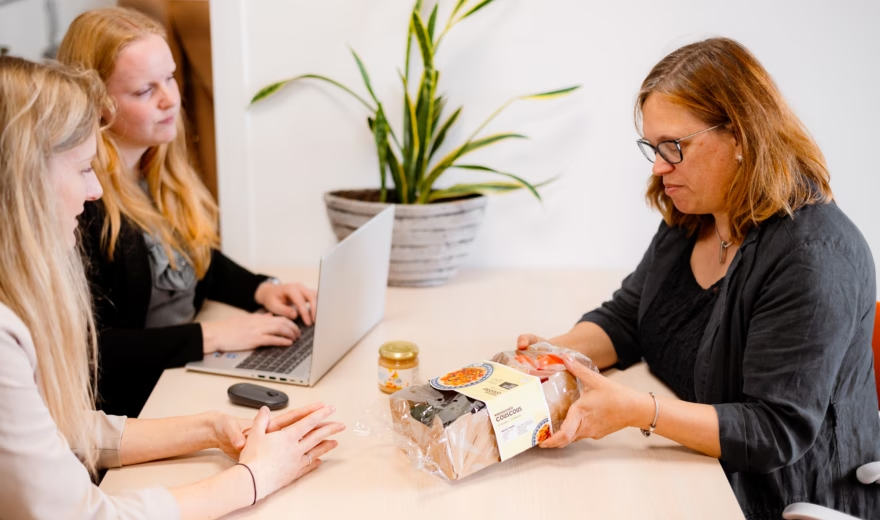
Colleagues are sitting together at a table in an office space during a casual break.

In short

  • Collaboration with Wageningen Academy
  • 5 days
  • 15 - 40 participants
  • € 2.249,00
  • Are you a customer of Normec? Or NFLI member? Then you get €250,- discount.

Target group

This lecture series covers the most important developments for the professional in QA management, who likes to stay informed about the latest developments and their meaning for the field. The program offers insights from science, combined with the relevant practical experiences of guest speakers.

From whom will you receive lectures?

During the lecture series, expert speakers share knowledge from science and practice. An online platform gives you the opportunity to submit questions and cases. Program subject to change.

Result

What will this lecture series give you? At the end of this series you will be able to:

  • After completing this program, you will be able to:
  • Use new insights into topics beyond the day-to-day practice of QM.
  • Assess the impact for the future of the latest developments from science.
  • Determine the significance of technical innovations for your role.
  • Contribute to the innovation and decisiveness of the organization.
  • Act as a future-proof and strategic discussion partner within and outside your organization.
  • Make use of a new network of scientists and colleagues in the food industry.

Program

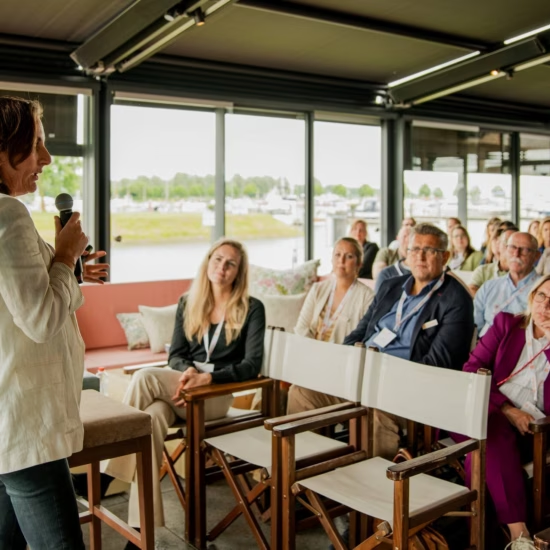
The lectures will be held on the campus of Wageningen University and Research. The lectures start at 16:00 and end around 19:45. This includes a break of approximately 45 minutes during which you will be offered a light meal.

  • 15:30: reception with coffee and/or tea
  • 16.00: start lecture lecturer, incl. discussion and questions (45 min presentation, 15 min Q&A, 15 min statements/other interaction)
  • 17.15 hrs: break with meal
  • 6 p.m.: practical speaker, connection to case (incl. input practical cases from participants, asked in advance in online platform Brightspace)
  • 19.15 hrs: networking opportunity
  • 19.45 hrs: end of program

Themes

  1. 1.

    Microbiological risk management

    Prof. Dr. Marcel Zwietering, WUR and Aldo Evers, Normec Foodcare

    - What are the effects of liability issues?

    - How to better estimate (microbiological) risks.

    - How to prevent a quality and food safety crisis?

    - How do you practice a recall?

  2. 2.

    Effective digitization

    Patrick Strijker, Normec Foodcare and guest speaker

    - How can the right kind of digitization help to proactively improve product and process quality?

    - What are new insights & technologies?

    - Why is digitization indispensable for today's quality managers?

    - What are striking practical examples?

  3. 3.

    Risks of change in food environment

    Karen Schellens MSc, WFSR and speaker Normec Foodcare

    - How does the changing food environment affect contaminants?

    - Example cases around circularity, protein transition and climate change

    - Interaction on potential hazards monitoring and assurance.

  4. 4.

    External review and enforcement

    ir. Jan Eliën, NVWA and Brenda Tijseling, Normec Foodcare

    - Certifications and enforcement by the NVWA provide a (self-)regulating effect within the food industry with absolute priority for food safety.

    - Factual risk management and internal and external transparency come together here.

  5. 5.

    Audits and quality culture

    Dr. Pieternel Luning, WUR and Dennis ten Thije, Normec Foodcare

    - How do you build internal culture and systems to have sound quality assurance?

    - How can internal audits contribute to internal improvements that stick?

    - What do customers and consumers want and how do you guarantee that?

    - Which tools can you use?

Certificate

After attending the entire program, you will receive a certificate.

Reduced rate

Are you a member of FNLI or a customer of ours? Then report this clearly in the comments field of the registration form and receive a €250 discount. Wageningen Academy will adjust the invoice accordingly.

Need support in the food sector?

Our experts are happy to think with you and help you quickly on your way.

Request a quote

Fill out the form and we will contact you shortly.

Name
In which country would you like the service to be carried out?
Privacy Policy 

Related news articles

23 Jun 2026

Microbiological Trends in Recalls: What Can We Learn from Recent Incidents?

Microbiological food safety remains one of the leading causes of recalls in the European food industry. Despite stricter controls, improved process control, and comprehensive HACCP systems, recent incidents show that microbiological risks still pose a real and evolving challenge.
23 Jun 2026

PFAS in Packaging: Why Analytical Evidence Is Becoming Increasingly Important

PFAS have been high on the European agenda for several years now. While attention used to be focused primarily on drinking water, soil contamination, and industrial emissions, the focus is increasingly shifting to packaging materials that come into contact with food.

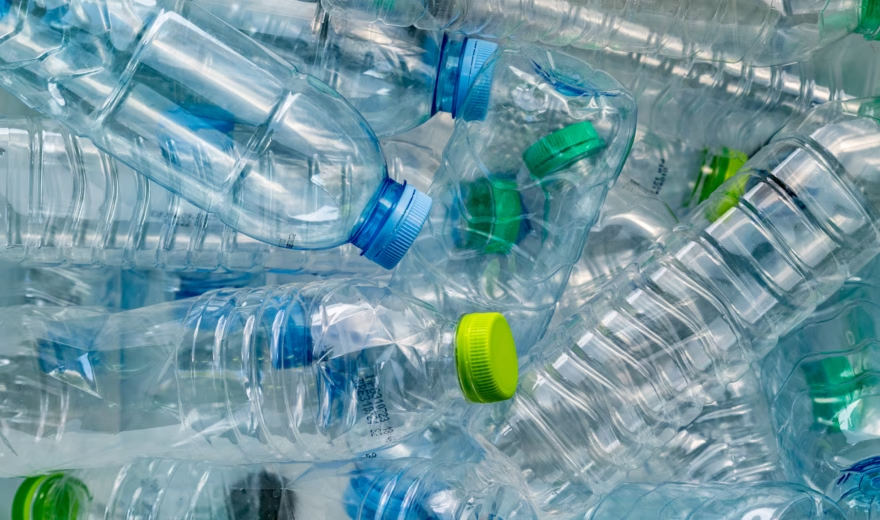
Compressed plastic bottles represent a stream of recyclable packaging material.
22 Jun 2026

Q&A with the Expert: Everything You Need to Know About the PPWR

The Packaging and Packaging Waste Regulation (PPWR) marks a significant change in European packaging legislation. The new rules affect not only packaging manufacturers but also the entire supply chain, including food companies and QA teams. What exactly does the PPWR entail? What specific changes will there be for food contact materials? And how can your organization prepare for this? We asked an expert in food contact materials and packaging compliance.

27 Mar 2024

Recalls in Belgium, the Netherlands, France and Germany: trends and lessons learned

Recalls remain an important measure of how robust food safety systems actually function. European authorities such as the FASFC in Belgium, the NVWA in the Netherlands and the corresponding regulators in France and Germany record recalls piece by piece, while the RASFF platform aggregates these signals on a European level. This creates a rich picture of where processes are vulnerable and where companies can still make gains in prevention and quality control. If you compare the recent figures from Belgium, the Netherlands, Germany and France, you see clear similarities in risk categories, but also clear differences in transparency, reporting culture and process errors. It is precisely these insights that help QA professionals sharpen their own systems.

Sign up for our newsletter

Sign up

Naam

Related services

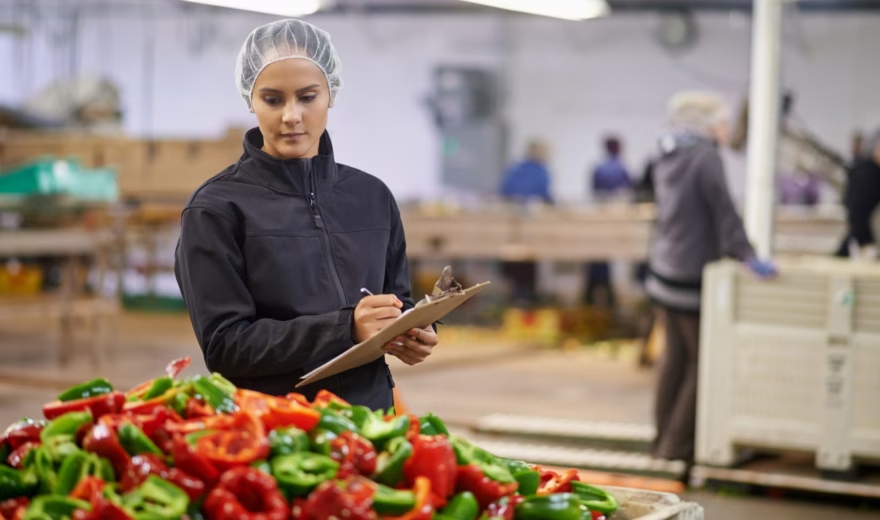
An employee performs quality control on fresh red and green bell peppers on a production line in a food processing environment, with a focus on food safety and quality assurance.

Food safety advice

A laboratory assistant checks samples and enters data on a tablet in a laboratory.

Standards and legislation training

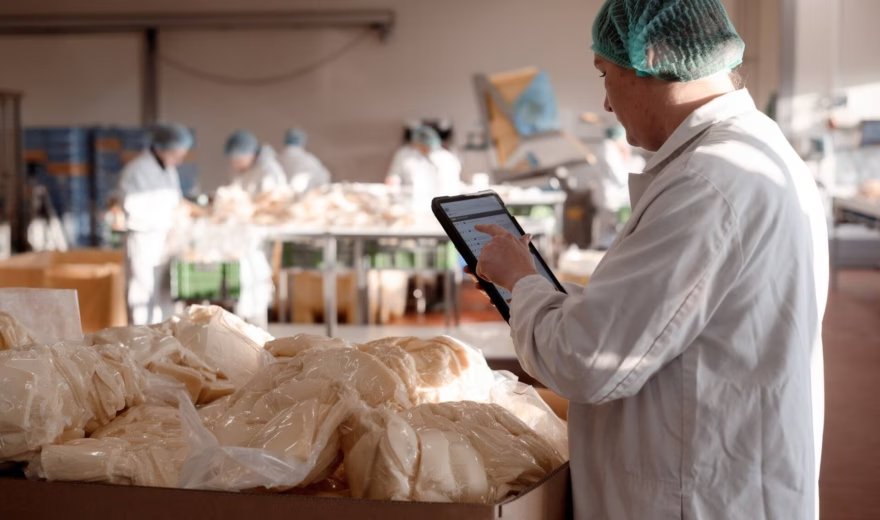
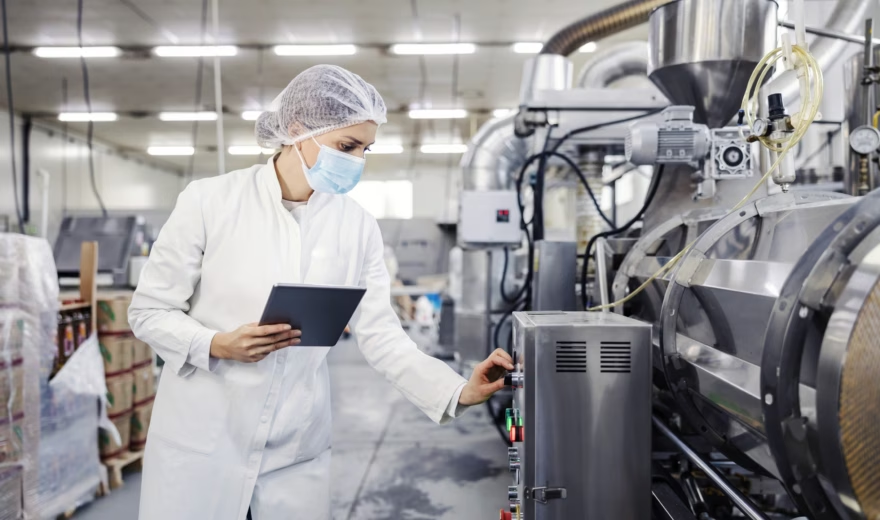
A quality control worker inspects an industrial production line at a food processing plant using a tablet and personal protective equipment.

Establish quality system

An employee performs quality control on fresh red and green bell peppers on a production line in a food processing environment, with a focus on food safety and quality assurance.

Blended basic food safety training course