23 Jun 2026
Sustainable Packaging: The Underestimated Risks to Shelf Life and Food Safety
Sustainable packaging: the underestimated risks to shelf life and food safety
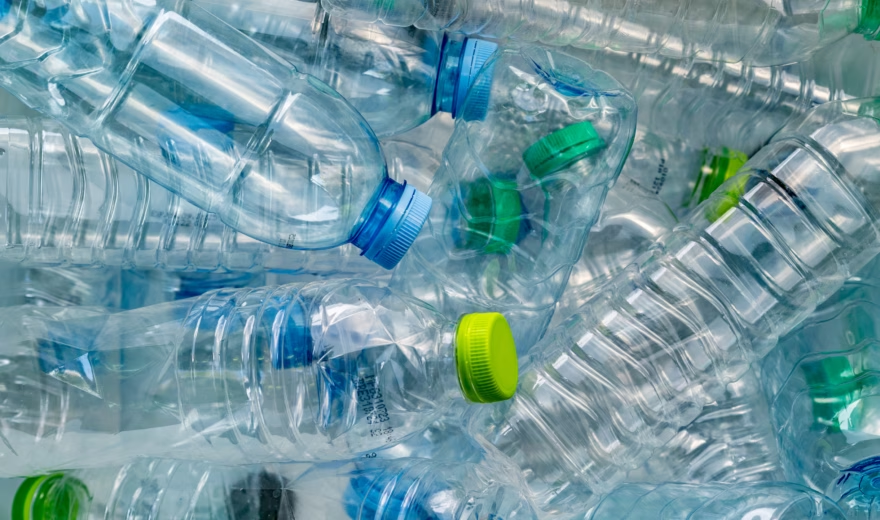
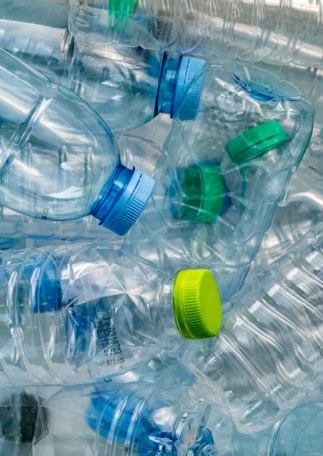
Effective November 18, 2026, stricter European regulations apply to recycled plastics in materials and packaging that come into contact with food. Among other things, the changes impose higher requirements regarding documentation, traceability, and the information that must be available within the packaging supply chain.
Key Points of the Amendment Regulation (EU) 2026/2376 amends Regulation (EU) 2022/1616 regarding recycled plastics intended for food contact. For food businesses, this is a logical time to review supplier information, packaging dossiers, and internal responsibilities.
European legislation already sets specific requirements for recycled plastics intended to come into contact with food. The new regulation further clarifies and tightens various aspects of these regulations.
Current regulations already require recyclers and converters to issue a Declaration of Compliance (DoC).
The new rules further expand the documentation requirements throughout the supply chain. Accurate information regarding compliance must also be provided at other relevant stages of production. The goal is to enable companies in the supply chain to better verify compliance and to improve the traceability of recycled plastics.
For food companies, this means that the information provided with packaging materials is becoming increasingly important.
A declaration of conformity does not stand alone. Companies must have supporting documentation to demonstrate that the recycled plastic complies with applicable regulations.
This includes, for example, declarations received during earlier stages of production in the supply chain and other relevant information regarding the conformity of the recycled material.
Under the new rules, if a competent authority requests this supporting information, it must be provided within ten business days. This makes a well-organized packaging and supplier file even more important.
The more extensive documentation requirements support the traceability of recycled plastics. From the recycler and packaging material manufacturer to the converter and, ultimately, the food company: the correct information must remain available throughout the relevant stages of the supply chain.
It is therefore important for QA and packaging teams to consider not only the technical specifications of a package but also the associated compliance information.
Regulations are also changing for certain recycled plastic materials imported from outside the European Union. Regulation (EU) 2026/2376 contains additional provisions regarding the documentation that must be submitted when releasing these materials into free circulation.
Companies that purchase packaging materials or raw materials from international suppliers are therefore advised to verify that the required import documentation is available.
The changes do not mean that every food business operator must issue a new Declaration of Compliance on its own.
The European Commission makes a specific exception for food business operators who use plastic containing recycled material to package food. They are not required to issue a Declaration of Compliance themselves if the necessary instructions and information about the recycled material are provided in the prescribed manner.
However, this does not mean that food companies do not need to take any action. Precisely because a food company relies on information from suppliers, it is important to verify that the necessary documentation is properly organized within the supply chain.
Does your organization use recycled plastic in food packaging or other food-contact materials? If so, be sure to check the following points:
For which types of packaging and food-contact materials are recycled materials used?
Are the current statements of compliance and relevant supporting documents available?
Is it sufficiently clear where the recycled material comes from and what steps it has gone through?
Does the recorded data still match the compliance information that was provided?
Are recycled plastics or packaging materials sourced from outside the EU? If so, check to see what additional documentation is required.
Make sure it is clear who within QA, Regulatory Affairs, Procurement, and Packaging is responsible for requesting, reviewing, and managing the information.
These changes are not isolated. European legislation regarding packaging and circularity is currently evolving on multiple fronts.
For example, the Packaging and Packaging Waste Regulation (PPWR) is now in effect. Among other things, this regulation is intended to contribute to more recyclable packaging and the increased use of recycled materials.
For food companies, this means two issues are becoming increasingly intertwined: how do we make our packaging more sustainable, and how do we ensure that this packaging remains food-safe and compliant?
Opting for more recycled material not only affects sustainability goals but can also impact requirements related to food contact, supplier information, traceability, and substantiation.
The stricter regulations highlight the importance of reliable information throughout the entire packaging chain.
For food companies, it is therefore wise not only to verify whether recycled materials are being used, but also to ensure that the associated documentation, declarations, and internal records are properly maintained.
The specialists at Normec Foodcare will help you understand the requirements for food-contact materials and packaging and assist you in assessing your compliance.
Sustainable packaging: the underestimated risks to shelf life and food safety

As a production company, you regularly perform lab and microbiological analyses: sampling of the environment, of raw materials, semi-finished and finished products. How do you perform this correctly and what are important things to consider?

PFAS have been high on the European agenda for several years now. While attention used to be focused primarily on drinking water, soil contamination, and industrial emissions, the focus is increasingly shifting to packaging materials that come into contact with food.
The Packaging and Packaging Waste Regulation (PPWR) marks a significant change in European packaging legislation. The new rules affect not only packaging manufacturers but also the entire supply chain, including food companies and QA teams. What exactly does the PPWR entail? What specific changes will there be for food contact materials? And how can your organization prepare for this? We asked an expert in food contact materials and packaging compliance.