
23 Jun 2026
Sustainable Packaging: The Underestimated Risks to Shelf Life and Food Safety
Sustainable packaging: the underestimated risks to shelf life and food safety
Effective January 20, 2027, the Machinery Regulation (EU) 2023/1230 will be fully in effect. For the food industry, this requires attention not only to mechanical safety but also to digital safety, software, cybersecurity, technical documentation, and modifications to existing machines and production lines.
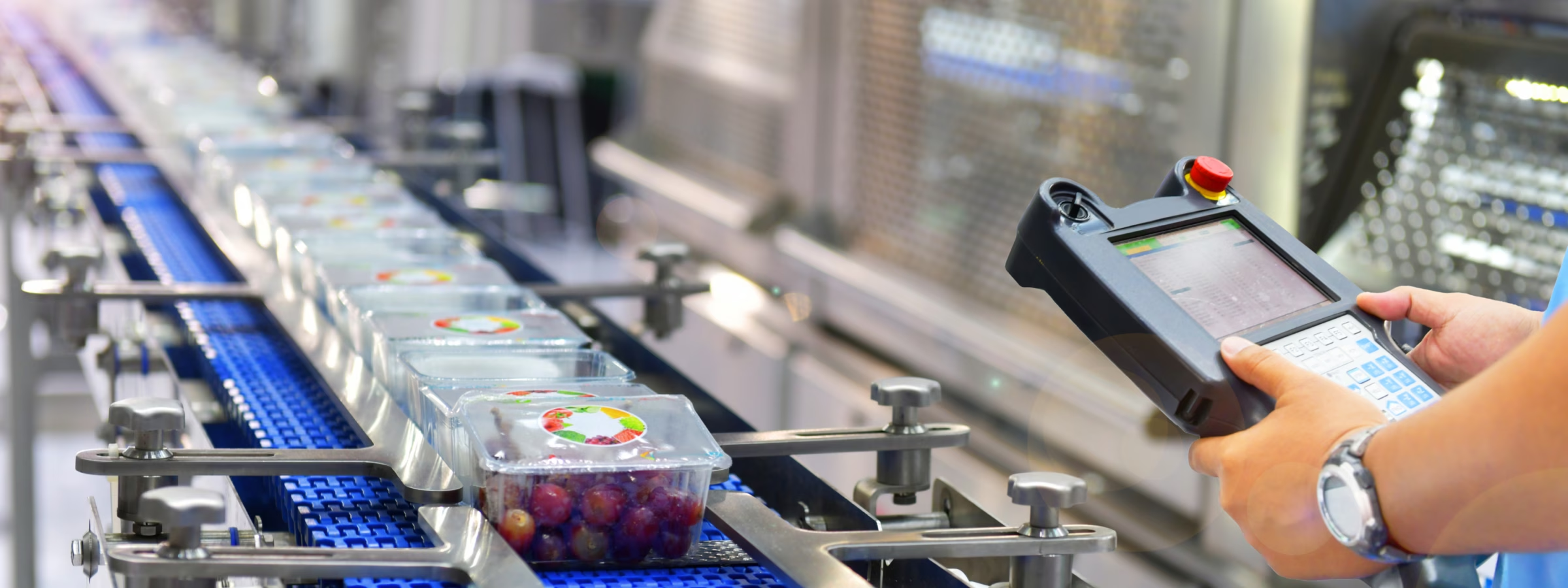
Since 2006, the Machinery Directive 2006/42/EC has served as the European framework for the safety of machinery in the internal market. The directive harmonized essential safety and health requirements for machinery, safety components, and partly completed machinery. Manufacturers were required to demonstrate compliance with the applicable requirements through conformity assessment and CE marking.
Due to technological developments such as digitization, robotics, artificial intelligence, and cybersecurity, the Machinery Directive is being replaced by the Machinery Regulation (EU) 2023/1230. This regulation is directly applicable in all Member States. It entered into force on July 19, 2023, and will be fully applicable as of January 20, 2027.
The core principles remain the same: safe design, risk assessment, technical documentation, and CE marking.
The regulation does not need to be implemented at the national level.
There are more specific requirements for software, digital elements, and cybersecurity.
These have been adapted to new technologies and risks, including autonomous and intelligent systems.
The regulation sets out clearer criteria for modifications to existing machinery and their implications for conformity assessment.
The responsibilities of manufacturers, importers, and distributors have been more clearly defined.
According to Article 3, point 16, a substantial change may occur when a machine or related product is physically or digitally modified after it has been placed on the market or put into service, the modification was not foreseen by the original manufacturer, and it affects safety by creating a new hazard or increasing an existing risk. In addition, the conditions specified in the definition must be met, including those relating to protective equipment, safety control systems, or additional protective measures.
For the food industry, this could, for example, involve a new robotic cell, a vision system, or a software modification that affects the safety functions or operation of a machine. For each modification, an assessment must be made in accordance with Article 3(16) to determine whether it constitutes a substantial modification.
If so, the person carrying out the modification is considered the manufacturer of the modified machine and must comply with the applicable manufacturer obligations, including the relevant conformity assessment. See Article 3(16) and Article 18.
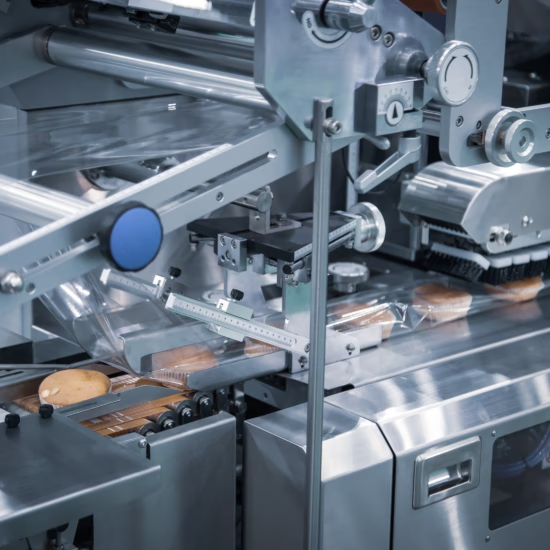
Harmonized standards can assist manufacturers in demonstrating compliance with applicable safety and health requirements. When a standard’s reference has been officially published under the relevant legal framework, its application may, under certain conditions, provide a presumption of conformity.
Implementing Decision (EU) 2025/1740, published on August 14, 2025, updates the list of harmonized standards under Directive 2006/42/EC. This list includes, among others, standards for certain machines in the food industry, such as EN 17677:2024, which sets out safety and hygiene requirements for machines used to dose or dispense products in artisanal bakery and pastry production.
The applicability of a standard must always be assessed based on the type of machine and the applicable legal framework.
The Machinery Regulation will be fully applicable as of January 20, 2027. For machinery lawfully placed on the market under the Machinery Directive prior to that date, the existing regime will, in principle, continue to apply.
For new machines that fall under the Machinery Regulation as of January 20, 2027, the applicable requirements of the regulation must be followed. For existing machines, any modification must be assessed to determine whether it constitutes a substantial change and, therefore, requires a new conformity assessment.
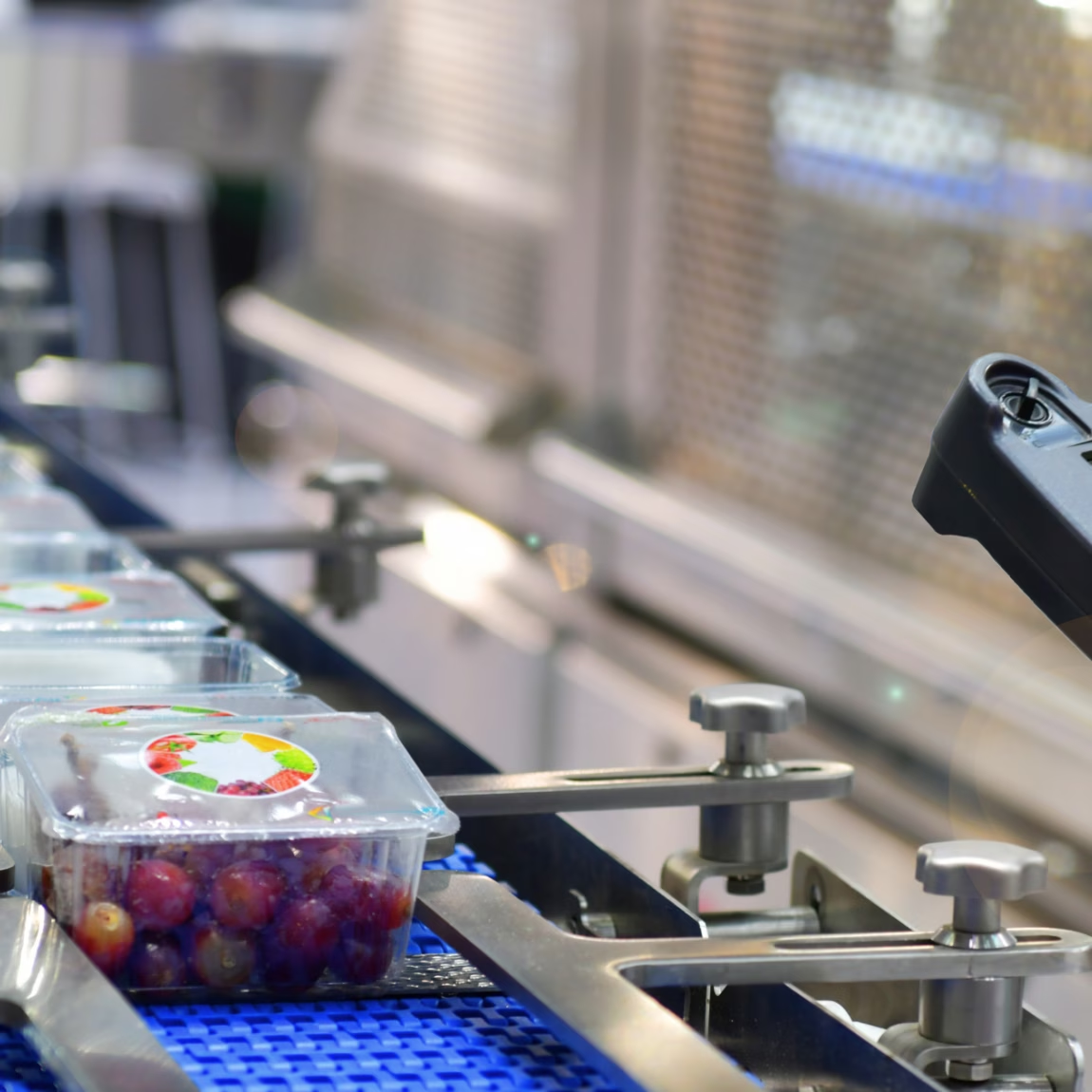
For processing lines, filling and packaging machines, sorting systems, and similar equipment, the new regulations mean that, in addition to mechanical safety, digital safety, software, cybersecurity, and technical documentation also require attention.
The regulation sets forth additional requirements for digital elements, safety-related software, and protection against tampering. See Annex III, sections 1.1.9 and 1.2.1.
The manufacturer must draw up an EU declaration of conformity for machines covered by the regulation. In this declaration, the manufacturer states that the applicable essential health and safety requirements have been met.
The declaration includes, among other things, the identification of the machine, the manufacturer’s details, the applicable EU legislation, and the harmonized standards or other technical specifications that have been applied.
The EU Declaration of Conformity must be provided with the machine or, under certain conditions, made available digitally. See Article 10, Article 21, and Annex V, Part A, as well as Article 10, paragraphs 7 and 8.
Machines must be capable of being safely maintained, adjusted, cleaned, and repaired throughout their foreseeable service life. The manufacturer must specify what maintenance and inspections are required and at what frequency.
This is relevant, for example, when cleaning and maintaining filling machines, conveyor belts, cutting machines, and packaging systems. See Article 8 and Annex III, sections 1.1.2, 1.3.2, 1.6.1, and 1.7.4.2.
A set of machines or partly completed machines may be considered a single unit when the components are arranged and controlled in such a way that they function together. The risks associated with their interdependence must then be taken into account in the assessment.
In the case of an integrated packaging line, this means that not only the individual filling machine, sealer, labeler, vision system, and robot are assessed, but also their interaction and safety functions. See Article 3, point 1(d), Article 10, and Annex III, point 1.1.2.
For designers, OEMs, system integrators, importers, and food companies, timely preparation is important. For new machines and technical modifications, factors such as CE marking, technical documentation, risk assessment, relevant standards, and any substantial changes must be evaluated.
This helps determine, prior to putting the equipment into service, whether additional technical modifications or a new conformity assessment are required.
Various documents and data are subject to a 10-year retention period. This includes, among other things, technical documentation, EU declarations of conformity, and certain traceability information. Specific availability requirements also apply to digital user manuals and conformity documents.
See, among others, Articles 10, 13, and 19 of Regulation (EU) 2023/1230.
For new projects and modifications to existing installations, it is important to take the requirements of the Machinery Regulation (EU) 2023/1230 into account during the design, selection, and implementation phases.
For food companies, this means, in practical terms, that before making a purchase or modification, they must verify:
A timely assessment reduces the risk of technical modifications, delays in putting the product into service, and nonconformities.
Our experts are happy to work with you and help you get started quickly.
Sustainable packaging: the underestimated risks to shelf life and food safety

As a production company, you regularly perform lab and microbiological analyses: sampling of the environment, of raw materials, semi-finished and finished products. How do you perform this correctly and what are important things to consider?

PFAS have been high on the European agenda for several years now. While attention used to be focused primarily on drinking water, soil contamination, and industrial emissions, the focus is increasingly shifting to packaging materials that come into contact with food.
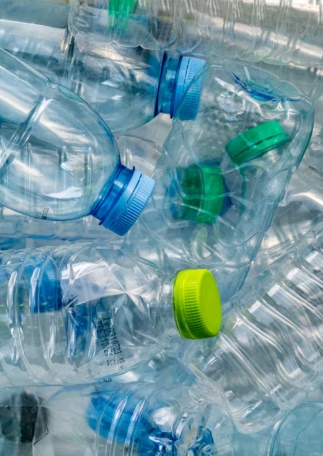
The Packaging and Packaging Waste Regulation (PPWR) marks a significant change in European packaging legislation. The new rules affect not only packaging manufacturers but also the entire supply chain, including food companies and QA teams. What exactly does the PPWR entail? What specific changes will there be for food contact materials? And how can your organization prepare for this? We asked an expert in food contact materials and packaging compliance.