


Accessibility links Skip to main content

When Is Advertising for Candy Misleading? Rules for Holiday Campaigns

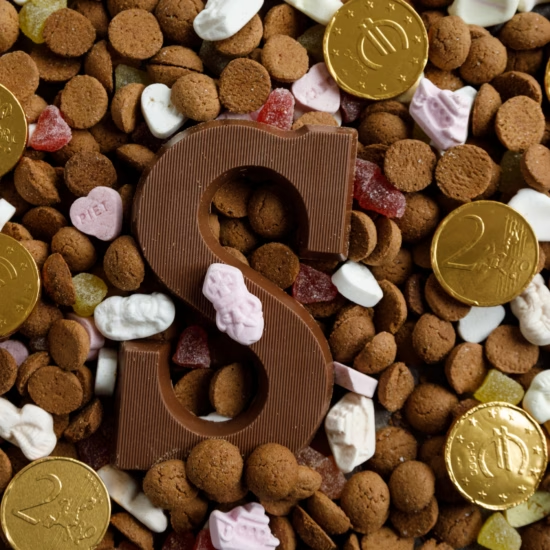
Around St. Nicholas Day, Christmas, Easter, and Halloween, candy, chocolate, and cookies often take on an extra festive look. Bright colors, games, well-known characters, and giveaways grab people’s attention—especially that of children. But where is the line between an appealing campaign and advertising that is misleading or should not be targeted at children?

Contact Us

Fill out the form and we will contact you shortly.

Name
In which country would you like to be assisted?
Privacy Policy 
Continue reading

This assessment goes beyond the mandatory information on the label. Product names, images, claims, promotions, influencers, well-known figures, and the overall presentation can also create expectations regarding, for example, a product’s ingredients, nutritional value, and quantity. Especially for seasonal campaigns, which often have tight deadlines, it is therefore wise to involve QA early in the creative process.

The basic principle: the overall impression must not be misleading

Both the Netherlands and Belgium are subject to European Regulation (EU) No. 1169/2011. Food information must not be misleading, including regarding the nature, identity, characteristics, composition, quantity, shelf life, origin, or production method of a food product. This principle applies not only to the fine print but to food information as a whole—including presentation and advertising.

An ingredient list can therefore be entirely accurate, while the front of the package still conveys a misleading impression. Examples include a large image of strawberries on a product that mainly contains flavoring, a prominent “with fruit” label without clear context, or packaging that suggests a much larger quantity than what the consumer actually finds inside. Nutrition and health claims must also comply with European claim regulations and must not be reinforced by a general impression that goes beyond the permitted claim.

Children as a Target Audience: The Netherlands and Belgium Are Stepping Up Their Efforts

In addition to legal regulations, national advertising codes apply. In the Netherlands, the stricter Food Advertising Code has been in effect since February 1, 2026. Food advertising may not be directed at children under the age of 13. For young people aged 13 to 16, advertising is permitted only if the product meets the established nutritional criteria or simultaneously meets the conditions for the claims “low in sugar,” “low in fat,” and “low in salt.” A transition period until February 1, 2027, applies to current advertisements and existing annual media contracts; new advertisements must comply with the regulations as of the effective date.

The Belgian Food Advertising Code has been in effect in Belgium since January 1, 2026. Advertising targeting children and young people under the age of 16 is permitted only for products that meet specific nutritional criteria. The rules also apply to social media and influencers. In addition, the restrictions have been extended to secondary schools and to a 150-meter zone around schools. The Jury for Ethical Practices in Advertising monitors compliance.

Six Pitfalls to Watch Out for with Candy and Party Packages

  1. 1.

    The campaign appears to be aimed at adults, but it appeals mainly to children.

    Don't just look at the formally selected target audience. Characters, language, music, gameplay mechanics, media channel, placement, and timing all work together to determine who a message is actually aimed at.

  2. 2.

    Well-known figures or influencers are used without checking their target audience

    A popular figure may be considered a role model for children or young people. Therefore, check their reach, follower profile, and context before approving the contract and design.

  3. 3.

    A health or nutrition claim overshadows the product as a whole.

    The phrase “source of vitamin C” does not automatically make candy a healthy choice. Avoid situations where the image, color, and text together suggest a broader health claim than can be substantiated.

  4. 4.

    The images suggest additional or different ingredients.

    Anyone who prominently features fruit, nuts, milk, or chocolate in their packaging must ensure that this is consistent with the recipe, product name, and, where applicable, the quantitative ingredient list.

  5. 5.

    The packaging creates a false impression about the quantity

    An oversized box, a window, a double bottom, or an image of a generously filled dish can influence the perception of the net content. Simply stating the net quantity is not always enough to correct that overall impression.

  6. 6.

    The giveaway or game encourages excessive consumption

    Mechanisms in which buying or consuming more frequently increases the chances of winning deserve special attention. Also assess whether the promotion directly encourages children to make a purchase or encourages them to persuade their parents.

What is allowed?

A festive design is not prohibited in and of itself. Seasonal colors, decorative patterns, and a recognizable festive theme are perfectly acceptable, as long as the message is truthful and the advertisement does not violate the rules for marketing to children. Ensure that candy campaigns are demonstrably targeted at adults, choose media and placements that align with this, and avoid creative elements that are primarily geared toward children or young people.

Furthermore, be precise. Show ingredients in realistic proportions, place permitted claims in the correct context, and ensure that the packaging image, product name, ingredients list, and required disclosures all tell the same story. When in doubt, a more neutral wording is often more effective than a bold claim that may later need to be defended.

Practical QA Check Before Publication

  • Evaluate packaging, the online store, social media content, in-store materials, and influencer briefings as a single campaign.
  • Identify the target age group and verify that the format, channel, and placement align with it.
  • Verify that every claim and image aligns with the recipe, product specifications, and available supporting evidence.
  • Verify the nutritional criteria before targeting a message at young people.
  • Conduct separate reviews for each country where the product is marketed; the codes and application details are not identical everywhere.
  • Have QA, Legal, and Marketing jointly sign off on the artwork before final approval.
  • Keep the target audience analysis, claim substantiation, design versions, and approvals in the product dossier.

Make compliance an integral part of the campaign

Withdrawing a campaign or reprinting packaging costs time, money, and trust. By involving QA as early as the briefing and concept development stages, risks become apparent before creative decisions are finalized. This prevents disputes at the end of the process and helps marketing teams communicate in a distinctive way while still staying within clear guidelines.

Are you unsure whether your seasonal packaging, claim, or campaign complies with the regulations in the Netherlands and Belgium?

An independent review of labels and advertisements helps identify risks before publication and implement practical improvements.

Related news articles

A laboratory technician examines samples under a microscope in a modern laboratory setting. Test tubes and laboratory glassware for analysis and quality control are on the workbench.
10 Nov 2026

Unusual laboratory results? Here’s how to make informed decisions about reference samples, retesting, and batch hold

A laboratory result that deviates from the specification requires swift action. At the same time, a hasty decision can lead to unnecessary holds, delays in release, or an incorrect assessment of the food safety risk. It is therefore essential for QA managers to establish in advance when a reference sample should be tested, when retesting is warranted, and when a batch should be held as a precaution. A well-designed process integrates laboratory data, product knowledge, and legal responsibility.


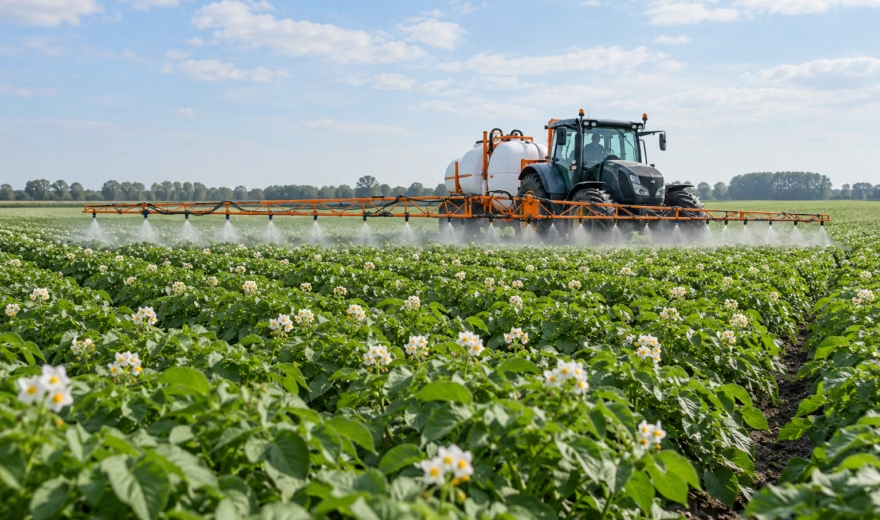
Several agricultural machines are spraying crops on a vast agricultural field.
10 Jun 2026

Pesticide Analysis in Food: Interview with a Laboratory Expert

In the European food industry, pesticide analysis remains a central component of food safety and compliance with statutory maximum residue limits (MRLs). At the same time, the focus is increasingly shifting from pure detection toward interpretation, methodology, and risk-based monitoring. We spoke with a laboratory expert about how modern pesticide analyses are conducted and evaluated in practice today.

A food analysis laboratory workstation featuring a microscope, food samples, documentation, and a staff member examining samples with a pipette. The image illustrates quality control and laboratory testing of food products.
10 Nov 2026

Forward-Looking Laboratory Data: The Signals QA Can’t Afford to Miss

An individual analysis result indicates whether a sample meets a criterion at a single point in time. A series of results reveals something far more valuable: whether your process remains stable. For QA managers, this presents an opportunity to shift from reactive monitoring to proactive management. Those who recognize trends early can take action before a threshold is exceeded, a customer files a complaint, or an audit uncovers a systemic weakness.

25 Feb 2025

New customer portal

Working efficiently and getting quick insight into analysis results is important within the food industry. Normec Foodcare introduces a renewed customer portal that helps you to easily view laboratory results, analyze trends and take action faster. With the customer portal you save time, prevent errors and ensure that you are always in control of the safety and quality of your products.

Sign up for our newsletter

Sign In

Naam

Related Services

Pesticide Residue Analysis

Een vrouwelijke onderzoeker met veiligheidsbril, blauwe handschoenen en witte labjas werkt geconcentreerd in het lab en pipetteert vloeistof in een reageerbuis.

Contaminants and residues analysis

PFAS Analysis

Heavy Metal Analysis