
Accessibility links Skip to main content

Testing for PFAS

Until recently, only businesses could have eggs tested for PFAS. To address the growing need for PFAS testing among private chicken owners, Testenoppfas.nl, in collaboration with Normec Groen Agro Control, is proud to introduce a new platform: TestenOpPFAS.nl. Through this online platform, PFAS testing is now available to you in a simple and accessible way.

Contact us

Fill out the form and we will contact you shortly.

Name
In which country would you like to be assisted?
Privacy Policy 
Continue reading

Introduction to TestenOpPFAS.nl: A platform for PFAS testing for private chicken farmers

Normec Groen Agro Control, a leading laboratory specializing in analyses for horticulture, the fruit and vegetable industry, and the food industry, is the exclusive partner and is accredited to perform accurate analyses of PFAS in eggs submitted by users of www.testenoppfas.nl. This partnership enables www.testenoppfas.nl to provide everyone with fast and reliable test results.

With a user-friendly interface, you can easily submit samples for analysis and receive the test results within 10 business days. For more information about TestenOpPFAS.nl and the available services, visit the website.

PFAS Testing for Businesses

Since January 2023, new legislation has been in effect regarding the maximum amount of PFAS in certain food products. To demonstrate compliance with this legislation, you must have PFAS testing performed.

Need support in the food sector?

Our experts are happy to work with you and get you started quickly.

Request a quote

Fill out the form and we will contact you shortly.

Name
In which country would you like the service to be carried out?
Privacy Policy 

Related news articles

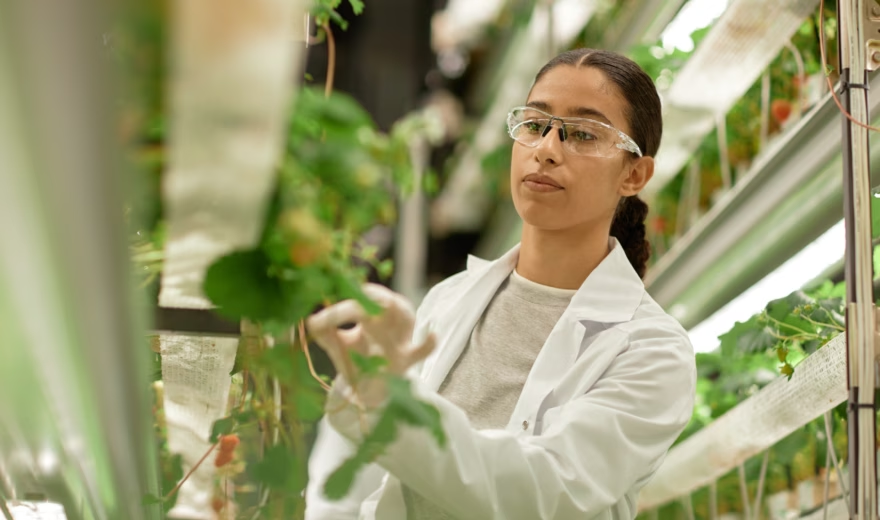
Inspection and examination of plants in a controlled growing environment for quality and cultivation management.
25 May 2026

Normec Groen Agro Control at GreenTech 2026

From 9 to 11 June, Normec Groen Agro Control will be present at the GreenTech exhibition at RAI Amsterdam. During this international trade fair for horticulture technology, we will engage with professionals from the agri, horticulture, and food supply chain on current challenges related to quality and food safety.


28 Oct 2025

Residues under control: why pesticide analysis is critical for food safety

In the food industry, pesticide residue monitoring has long since ceased to be an administrative requirement. For producers of fruits, vegetables, nuts, seeds, kernels and grains, it is a daily challenge to ensure that their products comply with legal residue limits (MRLs). For consumers, this means certainty and transparency; for producers, protection from recalls, import restrictions and reputational damage. Residue analyses are a strategic investment in food safety. They help companies demonstrate that their products comply with strict European standards, and contribute to customer and end consumer confidence. Indeed, a single violation can have major consequences, from negative publicity to the temporary withdrawal of products from the market.

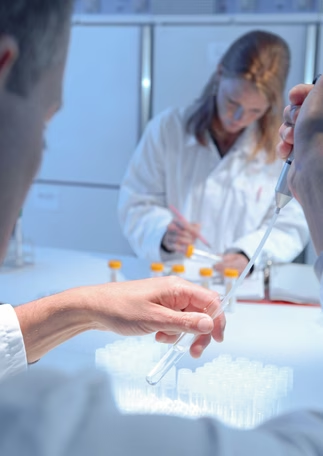
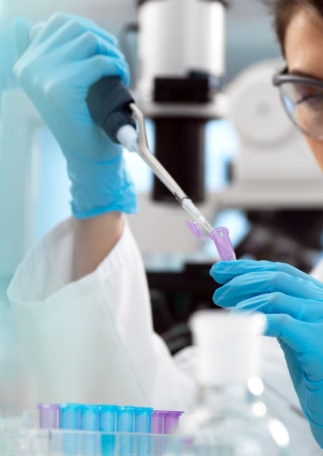
Laboratory staff process and analyze liquid samples using pipettes in a modern research laboratory.
20 Aug 2025

Why a Good Challenge Test Is Expensive—and Why That’s Justified

Challenge tests often represent a significant investment. It’s not uncommon for companies to raise their eyebrows at the price tag of such a study. “Why does this have to take so long? Why so many measurement points? Why are multiple strains needed? And does it really all have to be recorded in such detail?” In this article, we’ll explain the importance of a thorough challenge test and how you can save costs through a smart combination of testing, predictive models, and product grouping.

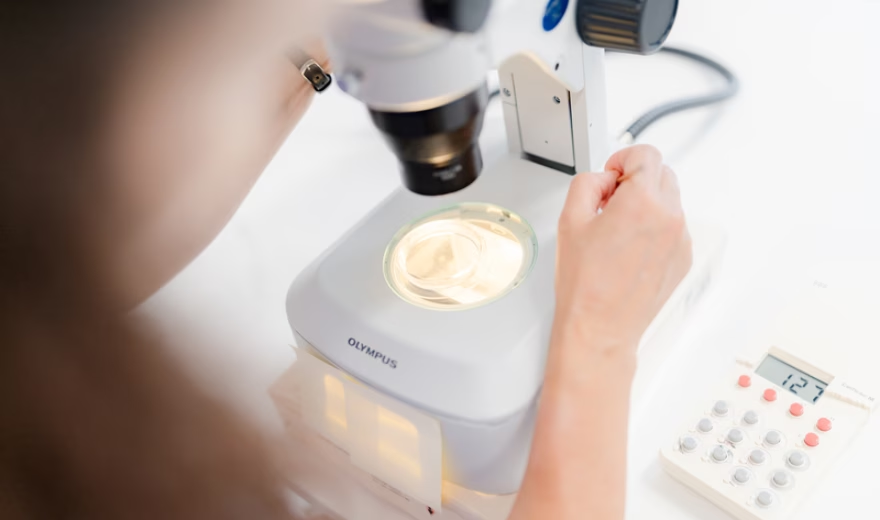
A lab technician examines a sample under a microscope during quality control.
18 Aug 2025

Why Listeria Control Isn’t Just a “Nice-to-Have”

During the week of August 12–14, 2025, French authorities recalled dozens of soft cheeses (including Camembert, Brie, and goat cheese) following an outbreak of listeriosis that included at least 21 cases and two deaths. The products—sold under various brand names in major retail chains—were distributed in France and internationally through August 9. Warnings followed shortly thereafter in Spain, Luxembourg, and other countries, and Belgium also reported its first linked case.

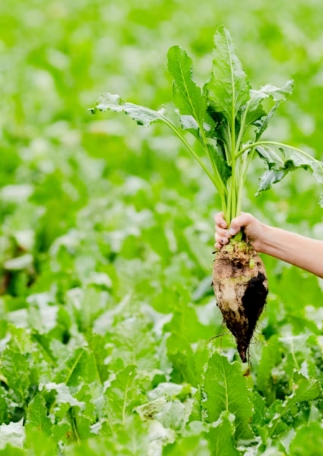
A hand holds a freshly harvested sugar beet above a green farm field with young beet plants.
12 Aug 2025

Greenhouse horticulture is changing rapidly. As a grower, how do you stay in control?

The greenhouse horticulture sector is moving fast. Mergers, specialization, stricter retail requirements and social pressure are making the playing field more complex than ever. Anyone who wants to stay afloat must be able to change gear quickly, think strategically and gather the right partners around them. Klaas-Jan de Ruiter knows all about that. Since November 2024 he is commercial manager at Normec Groen Agro Control. Before that he worked for years in various technical and commercial positions within the greenhouse industry. He knows the sector through and through, from substrate and climate to cultivation and marketing.

Three people are seated at a conference table with laptops, discussing product packaging. The meeting focuses on product evaluation, quality assurance, compliance, and product specifications.
24 Jun 2025

Taste and packaging as risk factors?

In the food industry, risk-based thinking is pretty much taken for granted. Standards such as IFS and BRCGS expect companies to systematically identify, analyze and manage risks. Contamination, allergens and microbiological hazards are thoroughly analyzed as part of a robust quality management system. Yet two essential risks often remain underexposed in classic risk analyses: consumers' reaction to the finished product - and their expectations based on the packaging.

24 Jun 2025

Challenge testing in the food industry: more than just Listeria

Challenge tests are laboratory tests in which a known number of microorganisms (such as Listeria monocytogenes, Salmonella, Bacillus cereus, yeasts or fungi) are deliberately added to a food product. The product is then stored under realistic storage conditions (such as temperature, packaging and time) to observe whether and how quickly the microorganism grows, survives or dies. They aim to assess the microbiological safety or shelf life of a specific product in its real matrix and packaging. Challenge tests are best known in the context of Listeria control but have numerous other applications and assets.

Sign up for our newsletter

Sign up

Naam

Related services

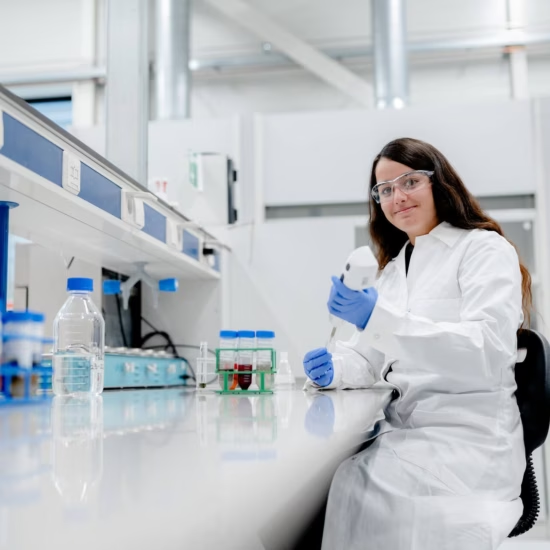
Een vrouwelijke onderzoeker met veiligheidsbril, blauwe handschoenen en witte labjas werkt geconcentreerd in het lab en pipetteert vloeistof in een reageerbuis.

Contaminants and residues analysis

Food safety risk scan

Microbiological research